

Stonegate Pub Group business disputes show how repair delays, rising debt and pressure on pub operators are creating fresh concerns across the UK hospitality sector. The dispute involving Craig Lynch and the Uluru nightclub in Carlisle highlights how maintenance problems can affect trade, cash flow and operator confidence.
At the same time, Stonegate is trying to manage a major restructuring while carrying a large debt burden. The key issue is whether Britain’s largest pub group can improve its finances without weakening relationships with publicans, landlords and lenders.
Key takeaways:
- Repair disputes can quickly become serious commercial problems.
- Stonegate’s debt position is increasing scrutiny of its turnaround plan.
- Leased and tenanted pub models may shift more risk to operators.
- Changing consumer habits are adding pressure to pub brands.
Why Are Stonegate Pub Group Business Disputes Attracting Fresh Attention?

Stonegate Pub Group business disputes are being discussed because they combine several serious issues: repair responsibilities, rent pressure, beer pricing, debt refinancing and the future of leased pub models.
For a company of Stonegate’s size, individual disputes can become wider signals of stress in the business. Publicans need reliable support to keep venues trading.
Lenders want evidence that the company can manage its debt. Landlords want reassurance that rent agreements remain secure.
| Main Issue | Why It Matters |
| Repairs | Poor maintenance can reduce trade and damage reputation |
| Debt | High borrowing costs can limit flexibility |
| Rent pressure | Arrears can create disputes with operators |
| Beer pricing | Higher supply costs can reduce publican margins |
| Restructuring | Changes how risk is shared between company and operator |
What Happened Between Craig Lynch and Stonegate Pub Group?
Craig Lynch, who has run pubs across Britain for around 30 years, is in dispute with Stonegate over Uluru, a nightclub in Carlisle. Lynch claims the venue went without proper heating from November until the end of March, affecting trade during the winter months.
According to Lynch, repeated requests for repairs were not dealt with quickly enough. He says Stonegate sent small fan heaters, which he argues were not suitable for a large venue licensed until 4 a.m. He claims customers left for warmer venues and did not return.
A hospitality operator described this type of problem clearly:
“When a venue loses customer trust in winter, it is not just one poor weekend. I have seen businesses struggle for months because customers remember feeling uncomfortable and choose somewhere else next time.”
The Heating Dispute at Uluru Nightclub
The heating issue is central to the disagreement. For a nightclub, temperature is not a small detail. It affects customer comfort, dwell time and repeat visits. If people associate a venue with being cold, they may avoid it even after the problem is fixed.
Lynch says the loss of trade damaged cash flow and contributed to wider financial pressure across his pub estate.
The Effect on Wider Pub Operations
Lynch has said expected weekly net sales at Uluru were far higher when he took on the venue than the figures later achieved. He claims the fall in takings affected his ability to manage other costs and rent commitments.
This shows why repair disputes can quickly become business disputes. When a fault affects trading, the financial impact may spread beyond one site.
How Do Repair Disputes Affect Pub Operators?

Repair disputes can create serious problems for pub operators because venues rely on customer experience. Heating, toilets, lighting, roofs, drainage and general maintenance all affect whether customers stay, spend and return.
Common effects include:
- Lower customer numbers
- Reduced weekly takings
- More complaints
- Damage to local reputation
- Pressure on rent payments
- Stress across other sites run by the same operator
In leased and tenanted pub agreements, repair responsibilities can vary. Some obligations may sit with the pub company, while others may sit with the operator. When responsibilities are unclear or repairs take too long, disputes can escalate.
Why Is Stonegate’s Debt Position Under Scrutiny?
Stonegate’s debt position is under scrutiny because the company carries one of the largest debt piles in British hospitality. Reports have placed total borrowings at around £3.8bn, with finance costs reaching hundreds of millions of pounds.
High debt matters because it can reduce the money available for investment, repairs and business support. It also increases pressure to refinance, sell assets or improve profits quickly.
| Financial Pressure | Possible Impact |
| Large borrowings | More pressure to generate cash |
| High finance costs | Less room for investment |
| Rising costs | Lower margins across the estate |
| Refinancing needs | Greater focus on lender confidence |
| Asset sales | Possible reduction in property holdings |
The Legacy of the Ei Group Acquisition
Much of the debt pressure is linked to Stonegate’s acquisition of Ei Group in 2019. The deal expanded Stonegate’s estate significantly, but it also increased complexity and borrowing.
Stonegate is now shifting more pubs away from managed operations and into leased, tenanted or operator-led formats. This may reduce some direct costs, but it also changes how risk is shared.
Refinancing and Asset Sale Pressures
Stonegate has sold pubs and land parcels to raise funds. It has also explored options involving freehold pub assets. These moves suggest the company is trying to create financial breathing space while continuing its restructuring plan.
Can Stonegate’s Transformation Plan Ease Business Disputes?

Stonegate’s transformation plan aims to improve profitability by changing how many pubs are run. Managed pubs expose the company to labour costs, energy bills and day-to-day operating risks. Leased and tenanted formats shift more responsibility to publicans while giving Stonegate more predictable income.
The company says the strategy helps local entrepreneurs run pubs in ways that suit their communities. Craft Union, its community pub model, has been presented as a successful part of this approach.
A pub industry adviser explained the balance clearly:
“I understand why pub companies favour operator-led models, because they can create steadier income. But I would always say the model only works if the publican feels supported, repairs are handled fairly and the cost base still leaves room to make a living.”
The success of the plan depends on trust. If operators feel they are carrying more risk without enough support, disputes may continue.
Are Leased and Tenanted Pub Models Creating More Pressure?
Leased and tenanted pub models can work well when rent, supply terms and repair obligations are clear. However, they can create pressure when costs rise or trade falls.
| Pub Model | Benefit | Risk |
| Managed pub | Company keeps control | Higher direct costs |
| Leased pub | Predictable rent income | Operator faces cost pressure |
| Tenanted pub | Local publican runs venue | Disputes over repairs can arise |
| Operator-led site | Local flexibility | Success depends on support |
For publicans, the main challenge is margin. Rent, wages, energy, stock, repairs and beer prices all affect profitability. If one area becomes too expensive, the whole business can come under pressure.
What Role Do Beer Pricing and Rent Arrears Play in These Disputes?
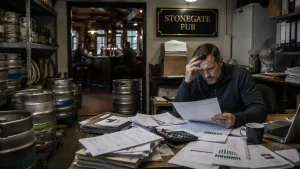
Beer pricing and rent arrears often sit at the heart of pub company disputes. In tied arrangements, operators may have to buy beer through the pub company rather than from the open market. If those prices rise, margins can shrink.
Lynch has claimed that beer prices increased sharply on some products and that falling trade at Uluru contributed to arrears across other venues. Stonegate has said that, with thousands of venues, disagreements can happen and that it seeks amicable resolution where concerns are raised.
For operators, the issue is practical. If takings fall while beer costs and rent remain high, the business may struggle to stay profitable.
How Are Changing Consumer Habits Affecting Stonegate’s Pub Brands?
Stonegate is also facing changing consumer behaviour. Younger people are drinking less alcohol than previous generations, and many customers now expect more from pubs and bars than late-night drinking.
Some older nightlife formats were built around busy bars, standing crowds and alcohol-led spending. That model is under pressure as customers look for seating, food, entertainment, value and a safer social environment.
Pressure on Late-Night Venues
Late-night venues face pressure from inflation, transport costs, changing drinking habits and competition from cheaper alternatives. For a large group such as Stonegate, updating brands across a wide estate can be difficult and expensive.
What Does Stonegate Say About Its Turnaround Strategy?

Stonegate says its transformation strategy is designed to create an environment where local entrepreneurs can thrive. It has said publican tenure is strong, interest in taking on pubs is high and capital investment has increased.
The company argues that new operating formats are helping sites become more profitable. However, publicans and investors will want to see whether those claims are reflected in long-term performance, fewer disputes and stronger venue conditions.
Could Stonegate’s Half-Year Results Change the Outlook?
Stonegate’s half-year results will be important because they may show whether the turnaround plan is working. Investors will look for profit growth, debt progress and evidence that converted pubs are performing well.
Landlords will watch for signs of financial stability. Publicans will want reassurance that Stonegate can support venues properly and resolve disputes fairly.
If results improve, Stonegate can argue that its strategy is gaining momentum. If they disappoint, concerns over debt, repairs and operator relations may grow.
What Do Stonegate Pub Group Business Disputes Mean for the UK Pub Sector?

Stonegate Pub Group business disputes matter because they reflect wider problems across the UK pub industry. Many operators are dealing with higher wages, energy bills, rent pressure and changing customer habits.
Stonegate’s size makes the issue more significant. When Britain’s largest pub group faces pressure, it raises questions about how sustainable some pub operating models are in the current market.
Conclusion
Stonegate Pub Group business disputes highlight the difficult balance between debt management, repair responsibilities and publican confidence. Craig Lynch’s dispute shows how a maintenance issue can become a wider commercial problem when trade is affected.
Stonegate’s restructuring may help improve profitability, but financial change alone may not be enough. The company will need to show that it can support operators, maintain venues and rebuild confidence while managing its debt.
If Stonegate can do that, its transformation plan may strengthen the business. If not, concerns over debt, repairs and pub operator disputes are likely to continue.
FAQs
Why are Stonegate Pub Group business disputes being discussed?
Stonegate Pub Group business disputes are being discussed because they involve repair complaints, rent pressure, debt concerns and wider restructuring across Britain’s largest pub group.
What is Stonegate Pub Group known for?
Stonegate Pub Group is known for operating thousands of pubs, bars and late-night venues across Britain, including Slug & Lettuce, Walkabout, Proper Pubs and Craft Union.
Why are repairs important in pub lease disputes?
Repairs are important because they affect customer comfort, safety, revenue and reputation. Delayed repairs can reduce trade and increase pressure on operators.
How does debt affect a pub company?
Debt affects a pub company by increasing finance costs and limiting flexibility. It can also increase pressure to sell assets, refinance or restructure.
What is a leased pub model?
A leased pub model allows a publican to operate a venue while paying rent to the pub company. The agreement may also include supply obligations.
Why can tied beer pricing cause disputes?
Tied beer pricing can cause disputes because operators may have to buy beer through the pub company, which can affect margins if prices rise.
How are younger consumers changing pubs?
Younger consumers are changing pubs by drinking less alcohol and expecting venues to offer more varied experiences, including food, seating and entertainment.
What will investors watch in Stonegate’s results?
Investors will watch profitability, debt levels, refinancing progress, asset sales and whether the company’s transformation plan is improving performance.