

Yes, Blue Badge holders are often exempt from hosepipe bans, but it is not a guaranteed UK-wide rule. The exemption depends on the local water company and the wording of its Temporary Use Ban.
In many cases, a Blue Badge holder may use a hosepipe where using a watering can or bucket would be difficult because of disability, mobility issues, or medical needs. However, they should always check their supplier’s latest rules before using one.
Key takeaways:
- Blue Badge holders may be exempt, but rules vary by region.
- Some water companies offer automatic exemptions.
- Others may require customers to register or confirm eligibility.
- Exemptions may only cover certain activities, not all hosepipe use.
- Breaching a ban can lead to a fine of up to £1,000.
What Does A Hosepipe Ban Mean In The UK?
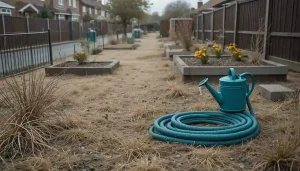
A hosepipe ban, officially called a Temporary Use Ban, is introduced when a water company needs to reduce non-essential water use during dry weather, drought pressure, or serious water shortages.
It usually limits activities such as watering gardens, washing cars, filling paddling pools, cleaning patios, or using a hosepipe for leisure purposes.
For many households, the rule may seem simple: do not use a hosepipe until the restriction ends. However, the position is more sensitive for people with disabilities, medical conditions, or mobility difficulties. This is why many people ask: are blue badge holders exempt from hosepipe ban rules?
The simple answer is that Blue Badge holders may be exempt in some areas, but it is not a blanket UK-wide rule.
Each water company sets out its own Temporary Use Ban wording, and exemptions depend on the region, the customer’s circumstances, and the specific activity involved.
Do Blue Badge Holders Usually Qualify For A Hosepipe Ban Exemption?
Blue Badge holders are often recognised as people who may need extra flexibility during a hosepipe ban. In many cases, water companies allow an exemption where the person would struggle to use a watering can, bucket, or other manual method because of mobility or medical needs.
However, having a Blue Badge does not automatically mean every type of hosepipe use is allowed. The exemption may only apply to essential or reasonable activities, such as watering plants where carrying heavy water would be difficult.
| Question | General Position |
| Are all Blue Badge holders exempt? | No, it depends on the water company |
| Is the exemption UK-wide? | No, rules vary by region |
| Can a hosepipe be used for any purpose? | Usually not |
| Should customers check first? | Yes, always with their own supplier |
A water industry adviser described the issue clearly:
“I usually tell customers not to assume the Blue Badge alone gives full permission. I would always check the exact Temporary Use Ban notice, because one company may give an automatic exemption while another may ask the customer to register or meet specific conditions.”
Why Do Hosepipe Ban Exemptions Differ Between Water Companies?

Hosepipe bans are not introduced by one single UK authority in the same wording across the country. They are applied by individual water companies based on local water supply conditions. This is why two households in different regions may face different rules, even if both include a Blue Badge holder.
Temporary Use Ban Wording
A Temporary Use Ban notice explains what is restricted and who may be exempt. Some notices clearly mention disabled customers, Blue Badge holders, or people on a priority services register. Others may use broader wording, such as exemptions for customers who cannot reasonably use an alternative method due to age, disability, or medical need.
Regional Water Shortage Rules
Water supply pressures differ across the UK. A company dealing with severe reservoir shortages may apply tighter restrictions than another company experiencing a milder dry period. This regional approach is one reason customers must check the current rules rather than relying on general advice.
| Reason Rules Differ | What It Means For Blue Badge Holders |
| Local drought conditions | Restrictions may be stricter in some regions |
| Company policy | Exemptions may be automatic or application-based |
| Activity type | Garden watering may be treated differently from car washing |
| Customer status | Vulnerable customer registration may help |
When Can A Blue Badge Holder Use A Hosepipe During A Ban?
A Blue Badge holder may be allowed to use a hosepipe when using a bucket or watering can would be unreasonable, unsafe, or physically difficult. This could include situations where lifting or carrying water may worsen a medical condition or create a risk of falling.
In practical terms, the exemption is usually about accessibility. It does not give unlimited permission to use water wastefully. The person should still use water responsibly and only for the permitted activity.
Common acceptable uses may include:
- Watering plants where carrying water is not manageable
- Using a hosepipe with a controlled trigger nozzle
- Meeting a health, safety, or accessibility need
- Carrying out limited watering rather than excessive use
A disability support worker explained it in a practical way:
“I see this most often with people who want to follow the rules but physically cannot carry heavy watering cans. In those cases, I would say the exemption is about fairness and safety, not about giving someone unlimited use of water.”
Which Water Companies Mention Blue Badge Or Vulnerable Customer Exemptions?

Some UK water companies have publicly recognised exemptions for Blue Badge holders, disabled customers, or vulnerable customers during hosepipe bans. The exact terms can change depending on the current restriction notice, so customers should always check the latest update from their supplier.
Southern Water
Southern Water has previously stated that Blue Badge holders are automatically exempt from certain hosepipe ban restrictions. This means eligible customers may not need to apply separately, although they should still follow the limits of the exemption.
Yorkshire Water
Yorkshire Water has recognised exemptions connected to disability, mobility needs, or vulnerable customer circumstances. The wording may depend on the specific Temporary Use Ban in place.
United Utilities
United Utilities has also recognised that vulnerable customers or people with medical and mobility needs may need special consideration during restrictions.
| Water Company | Possible Exemption Approach |
| Southern Water | Blue Badge holders may be automatically exempt |
| Yorkshire Water | Exemptions may apply for disability or vulnerability |
| United Utilities | Vulnerable customers may receive consideration |
| Other suppliers | Customers must check local rules |
How Should Blue Badge Holders Check Their Local Hosepipe Ban Rules?
The safest step is to check directly with the household’s water company before using a hosepipe. Customers should not rely only on social media posts, neighbour advice, or old news articles, because bans can change quickly.
A Blue Badge holder or carer should look for the company’s Temporary Use Ban page and read the exemption section. They may also contact customer services for written clarification.
Useful details to check include:
- Whether Blue Badge holders are named in the exemption
- Whether the exemption is automatic or requires registration
- Which activities are allowed
- Whether evidence is needed
- Whether the customer should join a priority services register
Practical Check Before Using A Hosepipe
Before using a hosepipe during restrictions, the customer should be able to answer one question clearly: does the current water company notice allow this activity for someone in their situation?
What Activities May Still Be Restricted Even With An Exemption?
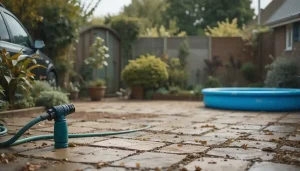
An exemption does not always mean every hosepipe activity is allowed. A Blue Badge holder may be permitted to water plants for accessibility reasons, but that does not automatically mean they can wash a car, clean a driveway, or fill a swimming pool.
Water companies usually focus on reducing non-essential water use. Activities seen as high-volume or avoidable may still be restricted unless there is a clear health, safety, or welfare reason.
| Activity | Likely Position During Ban |
| Watering plants due to mobility need | May be allowed if exemption applies |
| Washing a private car | Often restricted unless specific exemption applies |
| Filling a paddling pool | Usually restricted |
| Cleaning patios or paths | Usually restricted unless for safety |
| Using a bucket instead of hosepipe | Often allowed, but still check rules |
What Happens If Someone Breaks A Hosepipe Ban?
Breaking a hosepipe ban can lead to enforcement action. Ofwat has noted that breaching a hosepipe ban can result in a fine of up to £1,000. This is why Blue Badge holders should confirm their position before using a hosepipe during restrictions.
In many cases, water companies prefer to educate customers first, especially where there is confusion. However, repeated or careless breaches may be treated more seriously. A person should not assume they are protected unless the exemption clearly applies.
How Can Vulnerable Customers Reduce Risk Before Using A Hosepipe?

Vulnerable customers can reduce risk by contacting their supplier before restrictions become a problem. Many water companies have a priority services register for people who need extra help due to disability, age, illness, communication needs, or medical equipment.
Joining the register may make it easier for the water company to understand the customer’s circumstances. It can also help the household receive clearer updates during restrictions.
Helpful Record To Keep
A customer may wish to keep a note of the date they checked the exemption, the webpage wording, or the name of the adviser they spoke to. This can help avoid confusion later.
What Are The Best Water-Saving Alternatives During A Hosepipe Ban?
Even where a Blue Badge exemption applies, saving water is still important. Small changes can help reduce usage while keeping gardens and essential outdoor areas manageable.
Good alternatives include using water butts, reusing clean household water where safe, watering early in the morning or evening, and focusing only on plants that need it most. Trigger nozzles can also reduce waste by stopping water flow when the hose is not actively being used.
| Water-Saving Method | Why It Helps |
| Use a trigger nozzle | Reduces unnecessary flow |
| Water early or late | Less water evaporates |
| Prioritise essential plants | Avoids wasting water |
| Use stored rainwater | Reduces mains water demand |
| Avoid cleaning hard surfaces | Saves large amounts of water |
What Is The Final Advice For Blue Badge Holders?

The final advice is simple: Blue Badge holders may be exempt from a hosepipe ban, but they should confirm the rule with their local water company before using a hosepipe. The exemption depends on the Temporary Use Ban wording and the company’s policy.
The most careful approach is to check the latest notice, look for Blue Badge or vulnerable customer wording, and use water only for the permitted purpose. Where the rules are unclear, the customer should ask the water company directly.
Conclusion
Blue Badge holders can sometimes use a hosepipe during a ban, especially where carrying buckets or watering cans would be difficult due to disability, mobility problems, or medical needs. However, the rules are not identical across the UK.
So, are blue badge holders exempt from hosepipe ban restrictions? In many areas, yes, but not automatically everywhere. The right answer depends on the local water supplier, the current Temporary Use Ban, and the activity involved. Checking first is the safest way to avoid confusion and possible fines.
FAQs
Are disabled people always exempt from hosepipe bans?
No, disabled people are not always automatically exempt. Some water companies provide exemptions for disabled customers, Blue Badge holders, or people with mobility needs, but the rules vary by supplier and ban notice.
Can a Blue Badge holder water plants with a hosepipe during restrictions?
A Blue Badge holder may be allowed to water plants with a hosepipe if their water company permits it and using a watering can or bucket would be difficult. The customer should check the local rules first.
Does every UK water company accept a Blue Badge as proof?
No, every company does not follow the same process. Some may treat a Blue Badge as enough, while others may ask customers to register as vulnerable or confirm their circumstances.
Can vulnerable customers apply for a hosepipe ban exemption?
Yes, many water companies offer support for vulnerable customers. They may be able to apply for an exemption, join a priority services register, or ask for advice about what is allowed.
Are mobility problems considered during a Temporary Use Ban?
Yes, mobility problems are often considered because carrying water can be difficult or unsafe. However, the exemption must match the wording of the local Temporary Use Ban.
Can someone be fined even if they have a Blue Badge?
Yes, a fine may still be possible if the person uses a hosepipe for an activity not covered by the exemption or if their local water company does not provide an automatic Blue Badge exemption.
Where can customers find the latest hosepipe ban exemption rules?
Customers should check their water company’s official website, Temporary Use Ban notice, customer service team, or vulnerable customer support page for the latest exemption rules.