

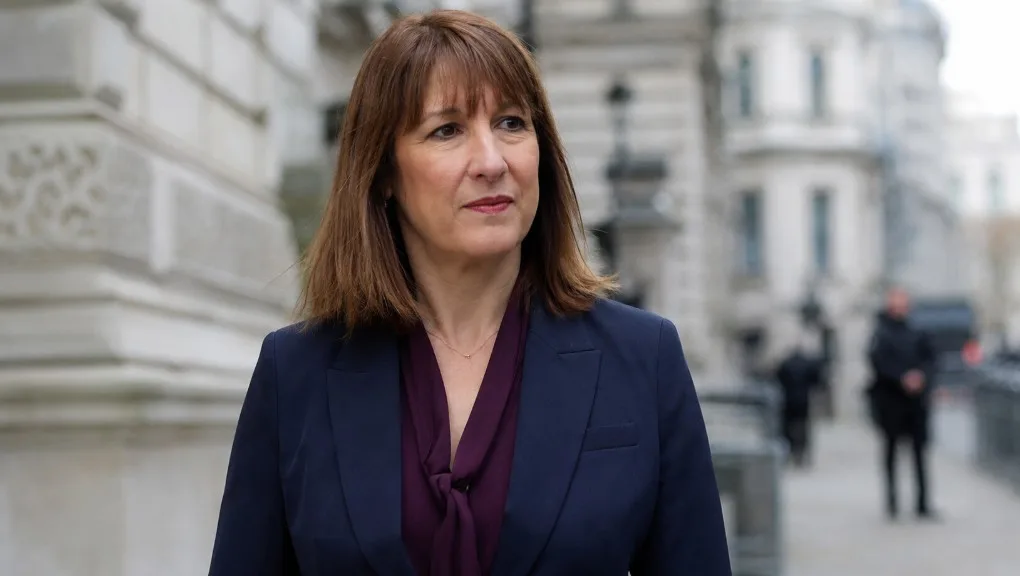
Rachel Reeves has signalled that Britain will need to spend more on defence as global security threats increase, but she has also made it clear that additional borrowing cannot be the long-term solution. Instead, the debate has shifted towards whether higher taxes, spending reductions elsewhere, or a combination of both will be needed to fund future military investment.
With NATO allies increasing their commitments and concerns growing about the readiness of Britain’s armed forces, UK defence funding has become one of the most important economic and political issues facing the government.
Why UK Defence Funding Has Moved Up the Political Agenda?

The discussion around Rachel Reeves UK defence funding is no longer simply about military budgets. It is increasingly tied to national security, economic resilience and Britain’s role within NATO.
Recent geopolitical tensions, including the continuing war in Ukraine and growing instability in several regions, have intensified pressure on Western governments to strengthen their armed forces. Britain is facing similar demands.
Speaking about the challenge, Rachel Reeves acknowledged the financial reality facing government.
She said:
“We are in a constrained fiscal world, and I think we’ll be honest about that, and we’re going to have to spend more on defence.”
That statement reflects a broader shift in policy thinking. Defence spending is no longer viewed as a discretionary area of government expenditure but as a strategic necessity.
How Much More Defence Spending Is Being Considered?
The government’s forthcoming Defence Investment Plan is expected to outline long-term military funding priorities and capability upgrades.
Prime Minister Keir Starmer has repeatedly described defence as a top priority. According to current discussions, the government is exploring significant increases in military investment over the coming years, although debate continues over the exact funding levels and timeline.
UK Defence Funding Overview
| Area | Current Position |
| Defence Priority | Top government spending priority |
| Funding Approach | Increased investment under review |
| Borrowing Position | Reeves reluctant to increase borrowing |
| NATO Expectations | Continued pressure for higher spending |
| Defence Investment Plan | Expected to provide long-term strategy |
While exact figures remain subject to government decisions, defence officials and military leaders have argued that Britain requires substantial additional investment to modernise capabilities and address years of underfunding.
How Does Rachel Reeves Want to Fund Defence Spending?
The key question is not whether defence spending will increase, but how it will be funded. Rachel Reeves has suggested that maintaining fiscal discipline remains essential.
During recent comments on defence funding, she stated:
“The money has to come from somewhere, and borrowing cannot always be the answer.”
That remark has fuelled speculation that future tax increases could play a role in financing military investment. She also argued that despite the challenges associated with higher taxation, allowing borrowing costs to rise could create even greater long-term economic problems.
For businesses and investors, this signals that Treasury decision-makers are attempting to balance national security requirements with broader economic stability.
Could Tax Rises Become Part of the Solution?

One of the biggest stories emerging from recent discussions is the possibility that tax increases may eventually contribute to defence funding. While no specific tax rises have been formally announced for this purpose, Reeves has notably left the option open.
This represents a significant development because previous discussions often focused on borrowing or reallocating existing budgets. The latest comments suggest the government is considering a wider range of funding mechanisms.
For UK businesses, any future tax measures would be closely monitored due to their potential impact on investment decisions, operating costs and economic growth.
At the same time, policymakers face a difficult balancing act. Raising taxes may generate additional revenue, but excessive increases could also slow economic activity.
The Welfare Versus Defence Debate
One of the most controversial aspects of the defence funding discussion involves whether spending reductions elsewhere should help pay for military investment.
Some commentators have suggested welfare spending should be reduced to create additional fiscal space for defence. Others strongly disagree.
Former cabinet minister Peter Hain criticised the idea, saying:
“Slashing spending on welfare is no answer to paying for increases in defence.”
Supporters of welfare protection argue that reducing support for vulnerable households could create social and economic challenges that outweigh potential budget savings.
Critics, meanwhile, contend that governments must prioritise national security during periods of heightened international uncertainty. At present, no final decisions have been announced, but the debate highlights the difficult choices facing policymakers.
Why Military Leaders Are Calling for More Funding?
Several former defence figures have publicly expressed concern about the state of Britain’s armed forces. Former First Sea Lord Lord West warned that the armed forces are on the “brink of disaster” if investment does not increase.
Similarly, former defence chiefs have argued that years of limited spending have reduced military capacity and delayed modernisation programmes.
These warnings have added pressure on both the Treasury and Downing Street to provide clearer long-term funding commitments.
For many defence experts, the issue is not simply about spending more money but ensuring resources are directed towards modern capabilities such as:
- Advanced defence technology
- Cybersecurity
- Drones and autonomous systems
- Intelligence capabilities
- Military infrastructure upgrades
The upcoming Defence Investment Plan is expected to address many of these priorities.
What Could Higher Defence Spending Mean for UK Businesses?

The business implications of increased defence spending are often overlooked. Large defence contractors are likely to benefit from new procurement programmes, but opportunities could also extend across broader supply chains.
Potential beneficiaries include:
- Advanced manufacturing firms
- Technology companies
- Engineering businesses
- Cybersecurity providers
- Research and development organisations
Rachel Reeves has previously highlighted the economic opportunities associated with defence investment, describing plans that could help transform Britain into a “defence industrial superpower.”
Real-World Example
If the Ministry of Defence commissions a major new defence technology programme, the impact extends far beyond the prime contractor.
A single project may support hundreds of smaller businesses providing components, software, logistics services and specialist engineering expertise. This creates jobs, encourages innovation and stimulates regional economies across the UK.
For business owners, defence spending is therefore both a security issue and an economic opportunity.
Confirmed Facts, Proposed Changes and Common Misconceptions
Confirmed Facts
- Rachel Reeves has acknowledged that defence spending must increase.
- The government is preparing a Defence Investment Plan.
- Reeves has indicated borrowing should not be the primary funding source.
- NATO allies continue to encourage higher defence investment.
Proposed Changes
- Potential tax rises to support military spending.
- Possible spending reductions in other government departments.
- Long-term increases in defence investment targets.
Common Misconceptions
A common misconception is that tax rises have already been approved to fund defence spending. This is not currently the case. While Rachel Reeves has left the option open, no specific defence-related tax package has been confirmed.
Another misconception is that welfare cuts have already been selected as the preferred funding route. Discussions continue, but no final policy decision has been announced.
What Happens Next?

Attention now turns to the government’s Defence Investment Plan, which is expected to provide greater clarity on spending priorities, funding mechanisms and military modernisation objectives.
Businesses, taxpayers and investors will be watching closely.
The central challenge facing Rachel Reeves remains clear: finding a sustainable way to strengthen Britain’s armed forces while maintaining confidence in the UK’s public finances.
As pressure from military leaders, NATO allies and economic stakeholders continues to grow, the decisions made over the coming months could shape both Britain’s security strategy and fiscal policy for years to come.
Conclusion
Rachel Reeves UK defence funding has become one of the defining policy debates facing the government. Rising global tensions, military modernisation needs and NATO commitments are pushing defence higher up the spending agenda.
While increased defence investment appears increasingly likely, the method of funding remains the key question. Tax rises, spending reallocations and economic growth are all being discussed, but no final approach has been confirmed.
What is certain is that defence funding is no longer a niche policy issue. It now sits at the intersection of national security, economic management and Britain’s future role on the global stage.
FAQs
Is Rachel Reeves planning tax rises specifically for defence?
Rachel Reeves has not announced specific defence-related tax rises. However, she has indicated that taxation may be considered as part of broader funding discussions.
What is the Defence Investment Plan?
The Defence Investment Plan is the government’s long-term strategy outlining military funding priorities, capability upgrades and investment objectives.
Why is defence spending increasing?
Growing international security concerns, NATO commitments and military modernisation requirements are driving calls for higher defence spending.
Will borrowing fund future defence investment?
Rachel Reeves has stated that borrowing cannot always be the answer, suggesting alternative funding options are being explored.
Could welfare spending be reduced to fund defence?
The idea has been debated publicly, but no final government decision has been announced.
How might defence spending affect UK businesses?
Increased defence investment could create opportunities across manufacturing, technology,
What should businesses watch next?
The publication of the Defence Investment Plan will provide the clearest indication of future spending priorities and potential economic impacts.