
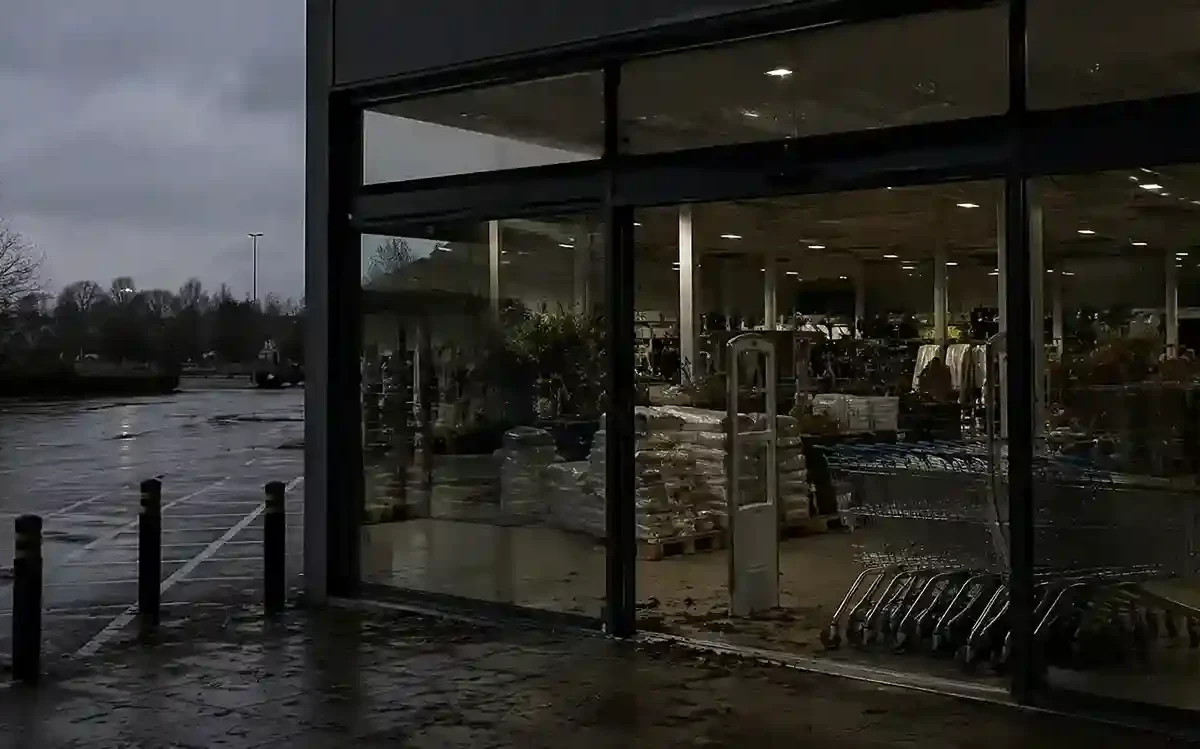
Homebase fell into administration because falling DIY and garden demand, rising costs, high interest rates, weaker consumer confidence and poor seasonal weather combined with heavy financial pressure.
The collapse became a major UK DIY retailer administration case after reports showed the business owed around £803m and had 1,299 creditor claims.
Key takeaways:
- Homebase had 135 UK stores and 3,446 employees when it entered administration.
- The company suffered losses of more than £59m before its collapse.
- Around £693m was claimed by unsecured creditors.
- CDS Superstores International, owner of The Range and Wilko, bought 70 stores and intellectual property for £25.6m.
- Around 1,150 employees transferred to the new owner.
- Remaining stores ceased trading in March 2025.
What Led To The UK DIY Retailer Administration Of Homebase?

Homebase entered administration after a difficult trading period that exposed deep financial pressure within the business. During and shortly after the pandemic, demand for DIY, garden furniture, homeware and renovation products increased as people spent more time at home.
However, that demand did not last. Once consumer habits changed, Homebase faced a much tougher market. Shoppers became more cautious, household budgets tightened, and large home improvement purchases became easier to delay.
The administrators pointed to several pressures, including:
- Falling consumer confidence
- Lower spending on home and garden products
- High cost inflation
- Higher interest rates
- Expensive freight and shipping delays
- Poor weather during key garden trading seasons
Together, these problems weakened sales and increased costs, making recovery difficult.
| Key Factor | Impact On Homebase |
| Reduced consumer spending | Lower sales across DIY and home products |
| High inflation | Increased operating and supply costs |
| Poor seasonal weather | Weaker garden centre performance |
| Freight delays | Stock and cost challenges |
| High interest rates | Pressure on borrowing and business confidence |
How Much Did Homebase Owe When It Fell Into Administration?
Homebase reportedly owed around £803m when the scale of the administration became clear. The company received 1,299 claims from unsecured creditors, with unsecured claims totalling around £693m.
A large part of this was linked to Ark Finco, which submitted an unsecured claim of £523m. Wells Fargo Capital was owed £20.1m and was repaid in full. Ark Finco was owed £80m as a secured lender, with £57.5m paid so far.
Secured lenders and major creditor claims
Secured creditors usually have stronger rights over company assets than unsecured creditors. That meant some lenders were in a better position to recover money from the administration process.
| Creditor Or Claim Type | Reported Amount |
| Total owed by Homebase | £803m |
| Unsecured creditor claims | £693m |
| Ark Finco unsecured claim | £523m |
| Wells Fargo Capital | £20.1m |
| HMRC claim | £10.2m |
| Expected employee claims | £938,000 |
Unsecured creditors and limited recovery
For unsecured creditors, the outlook appears far more difficult. Administrators said there was not expected to be enough money for a distribution to unsecured creditors, apart from a prescribed part fund of up to £800,000.
A retail insolvency adviser explained the problem clearly:
“I often see unsecured suppliers assume they are next in line once a brand is sold, but administration rarely works that way. I would always tell smaller creditors to understand where they sit in the repayment order before expecting recovery.”
Why Did Homebase’s Pandemic Boom Turn Into Heavy Losses?

The pandemic created a temporary lift for DIY and garden retailers. Many households invested in home offices, garden improvements, decorating and outdoor living. For a period, this helped Homebase trade profitably.
However, the market later normalised. Customers returned to travel, hospitality and other spending priorities. At the same time, many households faced higher bills, mortgage pressure and food inflation. DIY projects became less urgent.
Consumer confidence and spending pressure
Home improvement spending is often discretionary. When confidence falls, customers may still buy essential items, but bigger purchases such as kitchens, garden furniture, flooring and renovation materials can be postponed.
This matters because retailers like Homebase rely heavily on seasonal peaks and bigger basket values. When fewer customers commit to larger projects, the whole trading model becomes weaker.
Inflation, freight costs and poor weather
Homebase was also hit by higher supply costs, shipping disruption and expensive freight. Poor weather during spring and summer created another problem because these are key periods for garden centres and outdoor products.
| Market Pressure | Why It Hurt DIY Retailers |
| Wet spring and summer weather | Reduced gardening and outdoor sales |
| Shipping delays | Made stock planning harder |
| Freight cost increases | Reduced profit margins |
| Inflation | Raised supplier, wage and energy costs |
| Interest rates | Reduced consumer and business confidence |
What Happened To Homebase Stores And Employees After The Collapse?
Homebase had 3,446 employees when it entered administration. As part of the deal, 70 stores and the company’s intellectual property were sold to CDS Superstores International Limited, owned by Chris Dawson and trading as The Range and Wilko. The deal was worth £25.6m.
Around 1,150 employees transferred to the new owner in November 2024. The remaining stores ceased trading in March 2025. Administrators expected around 2,300 employee claims, totalling £938,000.
Sale to CDS and the future of the brand
The sale meant parts of Homebase were preserved rather than disappearing completely. The involvement of CDS, The Range and Wilko gave the brand a possible route forward, although not in the same form as before.
Job losses and employee claims
The human impact remains one of the most serious parts of the collapse. Store closures affect workers, families, local retail parks and nearby businesses.
A former retail operations manager summed up the disruption clearly:
“I have seen how quickly a store closure affects staff morale. People do not just lose a job; they lose routine, income certainty and a workplace community they may have known for years.”
How Did Scottish Leaseholds Affect The Administration Outcome?

The Scottish leaseholds became an important issue in the administration. Administrators had previously expected money from the sale of certain Scottish leaseholds to be available to unsecured creditors.
However, legal advice later found there was valid fixed charge security over those proceeds. This meant the money was not available to unsecured creditors.
| Administration Issue | Outcome |
| Scottish leasehold proceeds | Not available to unsecured creditors |
| Reason given | Valid fixed charge security |
| Prescribed part fund | Expected maximum of £800,000 |
| Unsecured creditor recovery | Not expected beyond limited distribution |
This shows how legal structures can significantly affect what creditors recover after a retail collapse.
What Does Homebase’s Collapse Reveal About The UK DIY Retail Market?
The Homebase collapse reflects wider pressure across UK retail. DIY chains face competition from B&Q, Wickes, supermarkets, online sellers, discount stores and marketplace platforms.
Customers now compare prices quickly, expect fast delivery, and often buy home improvement products across several retailers rather than staying loyal to one chain. Large store estates can become expensive when footfall falls.
The case also shows that a strong brand name does not guarantee survival. Retailers need flexible costs, clear pricing, reliable supply chains and a strong online offer.
Can The Homebase Brand Recover Under New Ownership?

Homebase may still have brand value because many UK customers recognise the name. The sale of intellectual property and stores gives the brand a chance to continue in some form.
However, recovery depends on how the new owner positions the business. A smaller, more focused model may work better than a large store estate with high fixed costs. The brand will also need to compete on price, convenience and product range.
The future of Homebase will likely depend on whether it can offer something clear to customers in a crowded DIY and home retail market.
What Can Other Retailers Learn From This UK DIY Retailer Administration?
The Homebase case gives several lessons for other retailers. A short-term boom should not be mistaken for permanent demand, especially when sales are linked to unusual conditions such as lockdowns.
Retailers also need to watch debt levels, supplier exposure and seasonal risk carefully. When weather, inflation, freight and consumer confidence all move in the wrong direction, weak margins can quickly become serious losses.
Key lessons include:
- Avoid relying too heavily on temporary demand
- Keep debt and creditor exposure under control
- Build flexible supply chains
- Prepare for seasonal trading shocks
- Invest in online and store efficiency
- Protect staff communication during restructuring
Conclusion
The collapse of Homebase was not caused by one single problem. It was the result of falling demand, high costs, weaker consumer confidence, debt pressure and difficult retail conditions.
For the UK retail sector, the case is a warning that even established names can struggle when trading conditions change quickly. For employees, suppliers and creditors, it also shows how painful administration can be when there is not enough value left to satisfy everyone.
FAQs
Why did Homebase go into administration?
Homebase went into administration after suffering heavy losses, weaker demand for DIY and garden products, rising costs, freight problems, high interest rates and poor seasonal weather.
How much money did Homebase owe?
Homebase reportedly owed around £803m, including major secured and unsecured creditor claims. Unsecured creditor claims totalled around £693m.
How many Homebase employees were affected?
Homebase had 3,446 employees when it entered administration. Around 1,150 transferred to the new owner, while about 2,300 employee claims were expected.
Who bought parts of Homebase after administration?
CDS Superstores International Limited, owned by Chris Dawson and trading as The Range and Wilko, bought 70 stores and Homebase’s intellectual property for £25.6m.
Will unsecured creditors get their money back?
Administrators said unsecured creditors were not expected to receive a distribution, except for a limited prescribed part fund expected to reach a maximum of £800,000.
Is Homebase still trading in the UK?
Parts of the business were sold, including 70 stores and intellectual property. The remaining stores ceased trading in March 2025.
What does this mean for UK DIY retailers?
It shows that UK DIY retailers face pressure from lower consumer spending, high operating costs, seasonal disruption, online competition and changing shopping habits.