
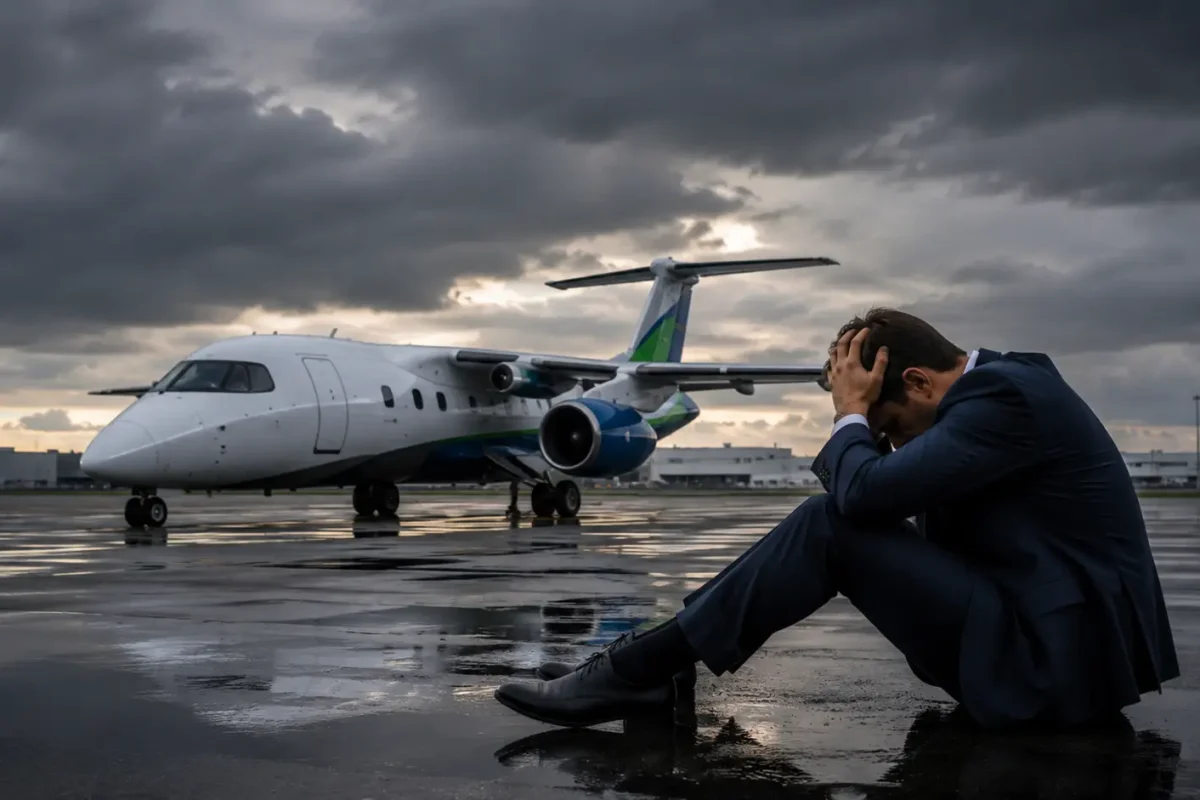
The EcoJet Airlines collapse liquidation marks one of the most significant setbacks for the UK’s emerging electric aviation sector.
Founded with the ambition of becoming the world’s first all-electric airline, the Scottish start-up entered voluntary liquidation after failing to secure approximately £20 million required for certification and operational development.
Although the company never launched commercial passenger services, its rise and fall highlight the financial, regulatory and technological challenges facing sustainable aviation.
Key highlights:
- EcoJet entered voluntary liquidation after a failed £20 million fundraising effort.
- The airline never operated a commercial passenger flight.
- It planned to retrofit existing aircraft with hydrogen-electric propulsion systems.
- The first proposed route was between Edinburgh and Southampton.
- The collapse raises important questions about the future of electric aviation in the UK.
What Was EcoJet Airlines and Why Did It Matter to UK Electric Aviation?
Founded in 2023 by green energy entrepreneur Dale Vince, EcoJet Airlines aimed to become the world’s first hydrogen-electric airline. Instead of building new aircraft, it planned to retrofit existing turboprop planes with ZeroAvia’s hydrogen-electric engines, helping reduce emissions while advancing sustainable regional aviation.
The airline also promoted environmentally friendly operations, including plant-based catering, eliminating single-use plastics, and supporting the UK’s net zero goals.
Although EcoJet never launched commercial flights, its ambitious vision highlighted the potential of hydrogen-electric technology to transform short-haul aviation.
Overview of EcoJet’s Original Vision:
| Aspect | Planned Approach |
| Founded | 2023 |
| Headquarters | Scotland |
| Founder | Dale Vince |
| Aircraft | Retrofitted turboprop aircraft |
| Technology Partner | ZeroAvia |
| Initial Route | Edinburgh to Southampton |
| Environmental Goals | Zero-emission flights and sustainable operations |
EcoJet’s vision demonstrated both the opportunities and challenges of bringing hydrogen-electric aviation from concept to commercial reality.
Why Did EcoJet Airlines Collapse Into Liquidation?
EcoJet Airlines entered liquidation after failing to secure the additional funding needed to move from development to commercial operations. Like many aviation start-ups, the company faced high certification costs, regulatory requirements, and significant investment needs before it could begin generating revenue.
Key Factors Behind the Collapse:
- Funding shortfall: The airline reportedly failed to secure around £20 million in additional investment.
- High development costs: Certification, engineering, and safety testing required substantial funding.
- Withdrawal of financial support: Lead investor Dale Vince withdrew backing after fundraising efforts were unsuccessful.
- Emerging technology: Hydrogen-electric aviation remains in the early stages of commercial development.
The collapse reflects the financial challenges of launching innovative aviation projects, where significant investment and long development timelines are required before commercial success can be achieved.
How Did The £20M Funding Failure Lead To EcoJet’s Liquidation?

The failure to secure £20 million in external investment proved to be the turning point in the EcoJet Airlines collapse liquidation.
While many assume the funding was primarily for purchasing aircraft, the capital was actually needed to finance certification, engineering development, regulatory approvals and the operational groundwork required before the airline could launch commercial services.
As fundraising efforts fell short and no alternative investors emerged, the company was unable to continue development. Without the necessary financial backing, EcoJet entered voluntary liquidation, bringing its ambitious electric aviation project to an end.
Why Was Aircraft Certification So Expensive For EcoJet?
Aircraft certification is one of the most expensive stages of launching an airline using new propulsion technology.
Hydrogen-electric systems require extensive testing, technical documentation and regulatory approval to demonstrate they meet strict safety and performance standards set by aviation authorities.
Key factors behind the funding requirement:
- Aircraft certification and regulatory approvals.
- Hydrogen-electric propulsion development.
- Engineering integration and testing.
- Airline operating certification.
- Staff recruitment and operational readiness.
- Infrastructure planning for future services.
“Certification is often the longest and most capital-intensive phase of introducing any new aviation technology, particularly where alternative propulsion systems are involved.” — UK Aerospace Regulatory Specialist
Without additional investment, EcoJet could not complete these essential milestones, leaving liquidation as the only viable course of action.
What Happened to EcoJet’s Planned Edinburgh to Southampton Flights?
EcoJet planned to launch its first commercial route between Edinburgh and Southampton before expanding across the UK and Europe. However, the airline never received the regulatory approvals needed to begin passenger operations and did not carry any commercial flights.
The route was selected because shorter regional journeys were considered well suited to early hydrogen-electric aircraft. Although EcoJet’s network never became operational, the project highlighted growing interest in sustainable regional aviation.
EcoJet’s closure reflects the challenges faced by one start-up rather than the future of hydrogen-electric aviation. Research, certification, and investment in cleaner aircraft technologies continue across the aviation industry.
What Role Did Dale Vince Play in EcoJet Airlines’ Rise and Collapse?
Dale Vince, founder of Ecotricity, launched EcoJet Airlines in 2023 with the goal of advancing hydrogen-electric aviation in the UK.
His investment and environmental vision helped attract attention to the project, which planned to retrofit existing aircraft with cleaner propulsion systems instead of building new ones.
Why Was Financial Backing Withdrawn?
EcoJet was unable to secure the additional £20 million required to complete aircraft certification, meet regulatory requirements, and prepare for commercial operations.
As development timelines lengthened and fundraising efforts proved unsuccessful, Dale Vince withdrew further financial support, leading the company into liquidation.
“Innovation in sustainable aviation is a long-term investment. Commercial success depends on aligning technology, regulation and funding at the right time.” — Sustainable Transport Policy Adviser
Although EcoJet’s commercial ambitions came to an end, Dale Vince continued to express confidence in the long-term future of hydrogen-electric aviation, emphasising that the project’s failure reflected financial and regulatory challenges rather than the potential of the technology itself.
How Does EcoJet’s Collapse Expose the Challenges Facing Hydrogen-Electric Aviation?
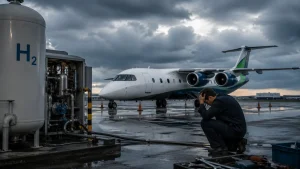
EcoJet’s liquidation highlights the financial and regulatory hurdles involved in launching innovative aviation technology. While hydrogen-electric propulsion offers significant environmental benefits, bringing it to market requires extensive testing, certification, and long-term investment.
Key Challenges Facing Hydrogen-Electric Aviation:
- High research and development costs
- Lengthy certification processes
- Limited hydrogen infrastructure
- Significant funding requirements
- Long commercial development timelines
Despite EcoJet’s closure, companies such as ZeroAvia continue developing hydrogen-electric aircraft, demonstrating that the technology remains an important part of aviation’s future.
What Does EcoJet’s Liquidation Mean for Passengers, Employees and Creditors?
Although EcoJet never carried commercial passengers, its liquidation affected employees, investors, and creditors. Joint liquidators were appointed to wind up the business after proceedings in the Edinburgh Sheriff Court.
Liquidation Outcome at a Glance:
| Stakeholder | Impact |
| Passengers | No commercial flights operated |
| Employees | Statutory entitlements supported |
| Investors | Investment ended following funding failure |
| Creditors | Claims handled under UK insolvency law |
| Business operations | Permanently ceased |
The liquidation demonstrates how UK insolvency procedures aim to protect employees while ensuring an orderly closure of businesses that can no longer continue trading.
What Is the Future of Electric Aviation After EcoJet Airlines’ Liquidation?
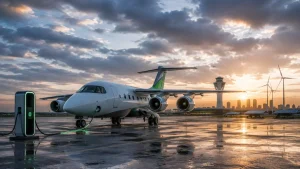
EcoJet’s collapse does not signal the end of electric aviation. Instead, it highlights the significant investment, regulatory approvals, and technological progress required before hydrogen-electric aircraft can operate commercially.
Across the UK and internationally, aerospace companies continue investing in hydrogen-electric propulsion, battery-powered aircraft, and other low-emission technologies. Although widespread commercial adoption will take time, ongoing research and certification programmes continue to move the industry towards cleaner aviation.
EcoJet’s experience offers valuable lessons for future sustainable aviation projects, showing that innovation must be supported by strong funding, regulatory progress, and long-term planning.
Conclusion
The EcoJet Airlines collapse highlights the financial and regulatory challenges of bringing hydrogen-electric aviation to market. Although the airline never launched commercial flights, its vision demonstrated the potential of cleaner regional air travel.
The reported £20 million funding shortfall ultimately led to liquidation, but the project also showed growing industry interest in sustainable aviation.
As technology, investment, and certification continue to advance, hydrogen-electric aircraft are expected to remain an important part of aviation’s long-term future.
FAQs
Was EcoJet Airlines ever fully operational?
No. EcoJet remained in the development stage and never launched commercial passenger services before entering voluntary liquidation.
Did EcoJet Airlines carry any passengers before liquidation?
No. The airline did not operate any commercial flights or transport paying passengers.
Who were the liquidators appointed for EcoJet Airlines?
Public records indicate that Paul Dounis and Mark Harper of Opus Restructuring were appointed as joint liquidators.
What technology was EcoJet planning to use?
EcoJet intended to retrofit conventional aircraft with hydrogen-electric propulsion systems supplied by ZeroAvia to reduce carbon emissions.
Was EcoJet building new aircraft or retrofitting existing planes?
The airline planned to modify existing turboprop aircraft rather than manufacture entirely new electric aircraft.
Are hydrogen-electric aircraft legal to operate in the UK?
Yes, provided they successfully complete all applicable Civil Aviation Authority certification and regulatory approval processes before entering commercial service.
Could another company revive EcoJet’s electric airline idea?
While EcoJet itself has entered liquidation, other companies continue developing hydrogen-electric aviation technologies, making similar commercial concepts possible in the future if technological, regulatory and financial conditions align.