

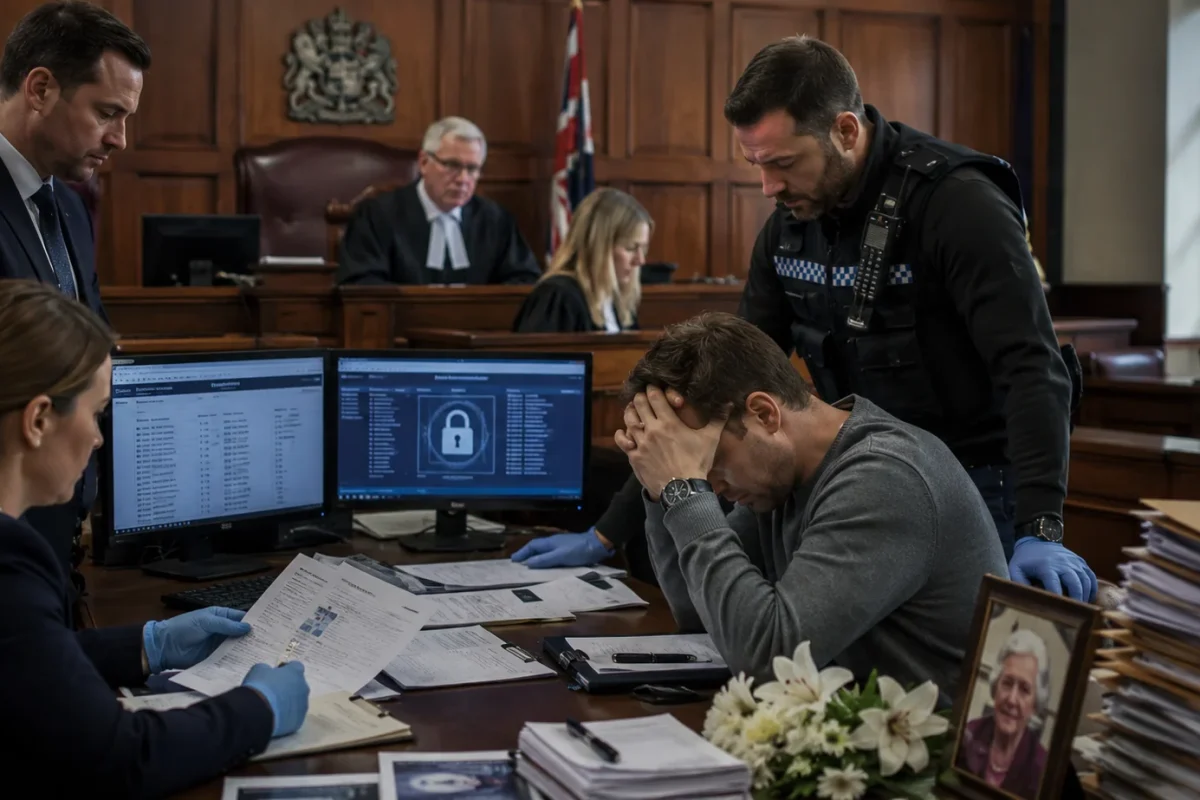
Taking money from a deceased person’s bank account in the UK without legal authority is usually illegal and can lead to serious criminal and civil consequences.
Depending on the situation, it may be treated as theft, fraud, forgery, or unauthorised access under UK law. In serious cases, the punishment may include fines, repayment orders, a criminal record, or even up to 7 years in prison under the Fraud Act 2006.
Many people wrongly believe that being a close relative, next of kin, or former Power of Attorney gives them automatic access after death. However, legal authority normally passes to the executor or administrator once probate begins.
Key highlights:
- Power of Attorney ends immediately after death
- Sole bank accounts are usually frozen once the bank is notified
- Executors and administrators manage estate funds
- Unauthorised withdrawals may lead to personal liability
- Funeral costs can often be paid legally through the bank
Understanding these rules can help avoid probate disputes, financial complications, and potential criminal allegations.
What Is the Punishment for Taking Money From a Deceased Account in the UK?
The punishment for taking money from a deceased account in the UK depends on the amount involved, the intention behind the withdrawal, and whether the funds were used dishonestly. Authorities may treat the act as fraud, theft, or financial abuse of an estate.
Under the Fraud Act 2006, serious offences involving deception or unauthorised use of funds can result in prison sentences of up to 7 years.
Courts may also issue fines, compensation orders, or community sentences. Even smaller cases may lead to police investigations, bank fraud markers, or civil claims from beneficiaries.
Punishment and Consequence Breakdown:
| Offence Type | Possible Consequences | Maximum Penalty |
| Theft from the estate | Criminal conviction, repayment | Several years of imprisonment |
| Fraud by false representation | Criminal record, fines, prison | Up to 7 years in prison |
| Unauthorised online access | Fraud investigation | Custodial sentence possible |
| Civil misuse of estate funds | Repayment with interest | Personal financial liability |
Banks may also place CIFAS fraud markers against individuals suspected of misconduct, affecting future banking services, mortgages, and credit applications.
“Using a deceased customer’s bank account without proper authority can trigger both criminal and civil investigations.” — UK Probate Compliance Officer
The seriousness of the punishment often depends on whether the withdrawal involved deliberate fraud or a misunderstanding during bereavement. However, a lack of knowledge of probate law rarely prevents legal consequences.
Is It Illegal to Withdraw Money From a Deceased Person’s Bank Account After Death?

Yes, in most cases it is illegal to withdraw money from a deceased person’s sole bank account after death without proper legal authority. After death, the money becomes part of the estate and must be managed under probate and inheritance rules.
Most UK banks freeze sole accounts once notified of the death. Debit cards, online banking access, and direct debits are usually stopped to prevent unauthorised activity.
Many people assume they can continue using the account temporarily for bills or family expenses. However, using the deceased person’s card or PIN after death may still be considered fraud.
Possible Exceptions:
- Joint bank accounts
- Funeral payments approved by the bank
- Small estate release procedures
- Payments authorised by executors or administrators
Even with good intentions, withdrawing money without authority can create legal and probate complications. It is usually safest to contact the bank’s bereavement team before making any transaction.
Who is Legally Allowed to Access a Deceased Person’s Bank Account in the UK?

Legal access to a deceased person’s account is normally restricted to authorised personal representatives. These individuals are responsible for collecting assets, paying debts, handling inheritance tax matters, and distributing the estate correctly.
Executors and Administrators
An executor is named in a valid will and takes responsibility for administering the estate. If there is no valid will, the court may appoint an administrator through letters of administration.
These representatives may need probate or other legal documents before banks release larger sums of money.
Probate and Letters of Administration
Probate is the legal authority confirming that an executor can deal with the estate. Letters of administration perform a similar function where there is no will.
The process often involves:
- Reporting estate values to HMRC
- Paying inheritance tax where applicable
- Providing death certificates to banks
- Completing probate application forms
- Opening an estate account
Banks typically refuse access to substantial funds until the required legal paperwork is completed. This protects beneficiaries and creditors from unauthorised withdrawals.
Joint Account Exceptions
Joint accounts work differently because surviving account holders usually inherit ownership automatically through the right of survivorship. In many cases, probate is not required to continue using the account.
However, the bank still needs to be informed of the death and may request supporting documentation before updating account ownership. Understanding the distinction between joint and sole accounts is essential when managing deceased finances legally.
What Happens to a Bank Account When Someone Dies in the UK?
When a bank receives notification that an account holder has died, it normally freezes individual accounts to prevent unauthorised access. This process may happen within 24 to 48 hours after the death is reported.
The bank usually cancels:
| Banking Feature | What Happens After Death |
| Debit cards | Cancelled |
| Online banking | Suspended |
| Standing orders | Reviewed or stopped |
| Direct debits | Usually frozen |
| Mobile banking access | Revoked |
The account balance forms part of the deceased person’s estate and cannot usually be distributed until debts, taxes, and administration procedures are completed.
Some banks may release money directly for funeral expenses or inheritance tax payments before probate is granted. However, they generally transfer payments directly to funeral directors or HMRC rather than allowing unrestricted withdrawals.
A bereavement team within the bank will normally guide executors or administrators through the required process.
Can You Use a Deceased Person’s Debit Card or Online Banking Legally?

Using a deceased person’s debit card, mobile banking app, or online banking login after death is generally unlawful unless specifically authorised through legal estate administration procedures.
Banks increasingly monitor suspicious activity after death notifications. ATM withdrawals, PIN usage, online transfers, and mobile app logins may all trigger fraud investigations.
Real-life example from online discussions:
While researching public discussions on this topic, I came across a Reddit post from a young man who admitted withdrawing around £500 from his late mother’s account after becoming responsible for his younger sisters. He explained:
“I know I should have closed her account as soon as I could when she passed away and that I’ve committed fraud, but me and my sisters wouldn’t have been able to survive without the money at the time.”
The situation reflected a genuine hardship rather than deliberate theft, yet many legal commenters still warned him to stop using the account immediately and contact the bank’s bereavement department.
I also reviewed a Quora response from a former banking professional who explained:
“If the death has not been reported to the bank, then whoever has authorised access & drawing rights for the account can draw funds from the account until the bank blocks the account.”
Although practical realities sometimes differ before notification occurs, UK probate law still requires proper authority once death takes place. Continuing to use banking access after death can later become evidence in fraud or estate disputes.
“Bereavement does not suspend financial regulations. Once a person dies, account access must follow probate and banking procedures.” — Senior UK Financial Fraud Investigator
This area of law can become especially sensitive when multiple beneficiaries or creditors are involved.
Why Does Power of Attorney Stop When Someone Dies?
Many people are surprised to learn that a Lasting Power of Attorney automatically ends at the moment of death. Even if you managed somebody’s finances for years before they passed away, your legal authority immediately stops once death occurs.
At that point, responsibility transfers to:
- The executor named in the will
- An administrator appointed through probate
- The court if disputes arise
Continuing to use banking authority after death can expose the former attorney to allegations of fraud or abuse of position.
Power of Attorney was designed to protect living individuals who lose mental or physical capacity. It was never intended to continue after death because estate administration is governed by separate probate laws.
This is why banks usually freeze accounts after receiving a death certificate, regardless of any previous authority arrangements.
What Civil and Financial Consequences Can Happen After Unauthorised Withdrawals?

Unauthorised withdrawals can create major financial consequences even where criminal charges are not pursued. The estate, creditors, or beneficiaries may demand repayment through civil proceedings.
Repayment to the Estate
One common consequence is being ordered to repay the money back into the estate. Courts may require the individual to return the full amount, including interest, legal costs, or financial losses caused to beneficiaries.
Even if the money was used for household bills, funeral costs, or property maintenance, repayment may still be required if proper legal procedures were not followed. Unauthorised transactions can be viewed as interference with estate administration.
Personal Liability for Debts
In probate law, unauthorised handling of estate assets is sometimes referred to as “intermeddling.” This can create unexpected financial risks for the individual involved.
If somebody takes money from the estate before creditors and tax liabilities are settled, they may become personally responsible for unpaid debts linked to the deceased person.
This could include:
- Outstanding loans or overdrafts
- Credit card balances
- Inheritance tax liabilities
- HMRC claims
- Department for Work and Pensions overpayments
For example, if estate funds are distributed too early and HMRC later claims unpaid inheritance tax, the individual who withdrew the money may be personally pursued for repayment.
Beneficiary and creditor disputes
Disagreements often arise where one family member accessed funds before probate while others received nothing. Creditors may also challenge transactions if estate debts remain unpaid.
Civil liability risks table:
| Financial Risk | Potential Outcome |
| Estate repayment claims | Personal repayment order |
| HMRC tax disputes | Additional tax liability |
| Beneficiary legal action | Probate litigation |
| Bank fraud reporting | Restricted financial access |
Even where withdrawals were used for practical expenses, poor record-keeping can create serious disputes later. Maintaining transparency and receipts is extremely important if money has already been spent.
Can Funeral Expenses Be Paid From a Deceased Person’s Bank Account?
Yes, funeral expenses can often be paid from the deceased person’s account legally, but this should usually happen through the bank directly rather than by using the deceased person’s debit card.
Most UK banks allow bereavement teams to release money directly to funeral directors once they receive:
- The death certificate
- Funeral invoice
- Executor or family identification
- Relevant claim forms
Some banks may also release funds for inheritance tax payments before probate is granted.
Funeral payment comparison table:
| Payment Method | Usually Allowed? | Risk Level |
| Bank transfer to the funeral director | Yes | Low |
| Using deceased’s debit card | No | High |
| ATM cash withdrawal | No | High |
| Executor-approved estate payment | Yes | Low |
This system helps families manage immediate funeral costs while protecting the estate from misuse. It also prevents confusion during probate and inheritance distribution later on.
Even where funeral costs are urgent, it is safer to work with the bank’s bereavement department than attempt direct withdrawals yourself.
What Should You Do if You Already Took Money From a Deceased Account?

If you have already withdrawn money from a deceased account, acting quickly and transparently may reduce the risk of further legal complications.
The first step is usually to stop using the account immediately and contact the bank’s bereavement team. Hiding transactions or continuing withdrawals often worsens the situation.
You should also create a clear financial record showing:
- Amount withdrawn
- Date of withdrawal
- Purpose of spending
- Receipts or invoices
- Remaining funds
If possible, repaying the money voluntarily can help demonstrate that there was no dishonest intention. In some cases, probate solicitors may help prepare explanations or estate accounts to resolve disputes before they escalate.
Where family disagreements or large sums are involved, obtaining professional legal advice is strongly recommended.
How Can You Legally Access Money From a Deceased Person’s Estate?
The safest way to access money from a deceased person’s estate is by following the legal probate process. Executors and administrators should avoid mixing estate funds with personal finances and, where possible, use a separate estate account to manage payments and distributions.
The process usually involves notifying banks and financial institutions, gathering estate details, applying for probate if required, and settling debts before distributing assets to beneficiaries.
Some small estates may be handled without full probate, as certain UK banks allow limited fund releases through indemnity forms or simplified bereavement procedures. However, each bank has different rules and documentation requirements.
Keeping accurate financial records throughout the process is essential to avoid inheritance disputes, creditor claims, or legal complications later.
When Should You Seek Legal Advice About Deceased Account Withdrawals?

Legal advice becomes particularly important when there are disputes, unclear wills, large estates, or allegations of financial misconduct.
Probate solicitors can help executors understand their responsibilities and avoid accidental breaches of estate law.
Professional guidance may also be necessary where:
- Money was withdrawn before probate
- Family members disagree about inheritance
- Creditors are pursuing debts
- HMRC tax issues exist
- Property ownership is disputed
- Fraud allegations have been raised
Early legal advice can often prevent expensive court disputes later. It may also help demonstrate good faith where somebody accessed funds during an emergency or misunderstanding.
Ultimately, dealing with deceased finances requires caution, transparency, and proper legal authority. Even well-intentioned actions can create complications if probate rules are ignored.
Conclusion
In conclusion, taking money from a deceased person’s bank account in the UK without proper legal authority can lead to serious criminal and financial consequences. Even if the intention was to cover urgent expenses or support family members, probate and banking laws still apply after death. Executors and administrators must follow the correct legal process before accessing estate funds.
Contacting the bank’s bereavement team, maintaining accurate records, and seeking legal advice where necessary can help avoid fraud allegations, repayment disputes, and probate complications.
Frequently Asked Questions
Can banks freeze an account immediately after a death is reported?
Yes, most UK banks freeze sole accounts shortly after receiving formal notification and a death certificate.
What is intermeddling in probate law?
Intermeddling means dealing with estate assets without proper authority, which can create personal legal liability.
Can a family member withdraw money before probate is granted?
Usually no, unless the bank authorises a specific release for funeral expenses or a small estate procedure applies.
Will the police investigate small withdrawals from a deceased account?
They can investigate any suspicious activity, although responses often depend on the amount involved and the circumstances.
Do banks allow access to small estates without probate?
Some banks do, but policies vary and documentation is still normally required.
Can inheritance tax be paid directly from the deceased person’s account?
Yes, banks can often send payments directly to HMRC before probate through approved inheritance tax procedures.
What documents are usually needed to access a deceased person’s funds?
Typical documents include the death certificate, will, probate paperwork, identification, and estate forms requested by the bank.