
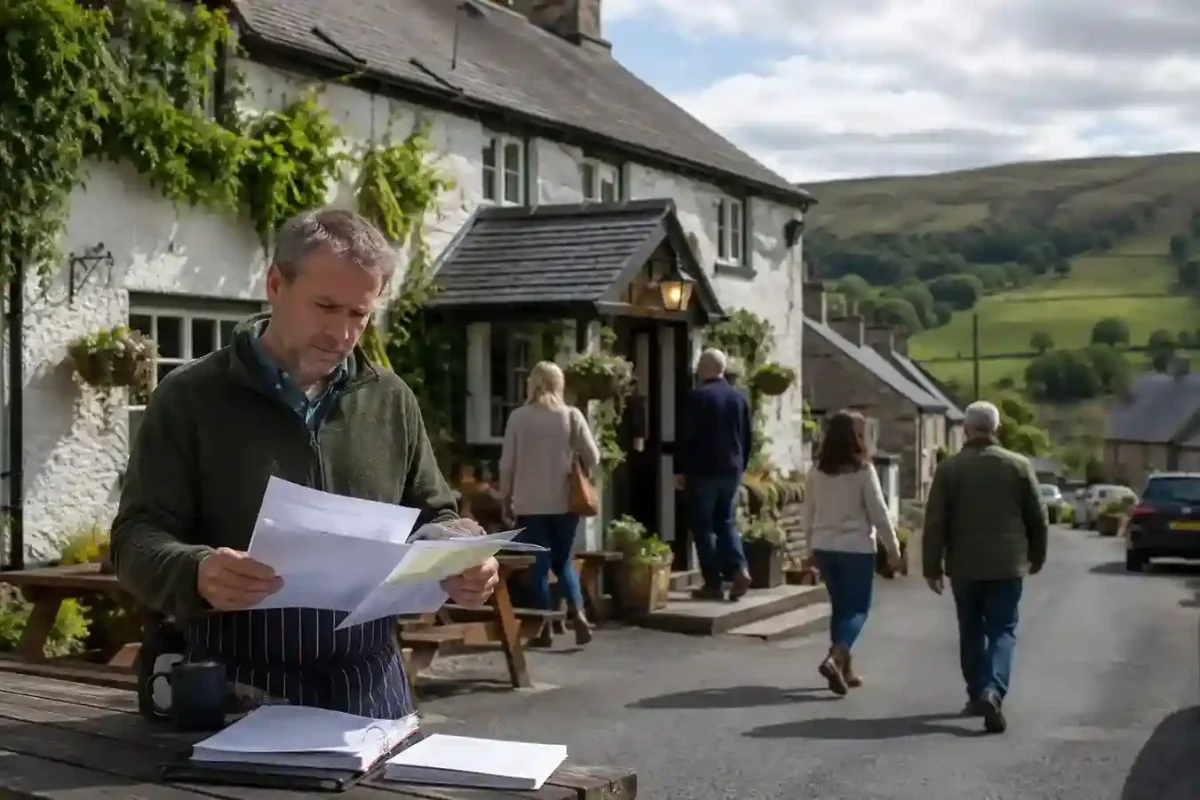
The phrase Labour Government Rural Pub Tax has become a widely discussed topic among pub owners, industry groups, and local communities across the UK.
Although it is not an official tax, the term is often used to describe the financial impact of business rates changes, the withdrawal of temporary relief measures, and rising operating costs affecting rural pubs.
Many village and community pubs are facing growing pressure from higher wage bills, National Insurance contributions, energy costs, and supply chain expenses.
While the government has introduced additional business rates relief, concerns remain about the long-term sustainability of rural pubs and their role within local communities.
Key Takeaways:
- The term does not refer to an official tax.
- Business rates changes are at the centre of the debate.
- Temporary rates relief has been withdrawn.
- Rising costs are reducing pub profitability.
- Rural pubs face unique operational challenges.
- Additional support measures have been introduced.
- Community pubs remain vital to local economies and social life.
Is There Really a Labour Government Rural Pub Tax?
The phrase “Labour Government Rural Pub Tax” has become a popular way to describe concerns about increasing costs facing rural pubs. However, it is important to clarify that no specific tax has been introduced under this name.
The debate largely centres on business rates, which are property-based taxes paid by commercial premises. Following changes announced in the Autumn 2025 Budget, many hospitality businesses began preparing for potentially higher costs.
For rural pub operators already facing tight profit margins, the combination of higher business rates and other operating expenses has created significant concern.
As a result, critics have used the term “rural pub tax” to highlight what they see as an increasing financial burden on community pubs.
What Changes Did the Labour Government Make to Business Rates?
Business rates have become one of the most discussed issues within the hospitality industry.
End of Temporary Business Rates Relief
Many retail, hospitality, and leisure businesses had previously benefited from a temporary 40% business rates relief scheme. This support helped reduce operating costs during challenging economic conditions.
The government’s decision to end this temporary relief meant that many pubs faced larger business rates bills than they had become accustomed to paying.
Impact of the 2026 Business Rates Revaluation
Alongside the removal of relief measures, the 2026 business rates revaluation adjusted the rateable values of commercial properties across England.
For some pubs, particularly those located in tourist destinations or desirable rural locations, these revised valuations resulted in higher rates assessments.
How New Rates Affect Rural and Tourist-Area Pubs?
Not all pubs have experienced the same level of impact. Some rural establishments have seen relatively modest changes, while others have faced substantial increases.
Factors influencing business rates include:
- Property size
- Location
- Trading potential
- Local market conditions
- Visitor demand
As a result, pubs in popular countryside destinations may face higher costs than similar establishments in less visited areas.
Why Are Rural Pubs More Vulnerable to Higher Tax Costs?
Rural pubs often operate under very different circumstances compared to city-centre venues.
Many village pubs serve smaller populations and rely heavily on local residents, seasonal visitors, and tourism. This creates unique challenges when operating costs rise.
Unlike larger urban establishments, rural pubs may have limited opportunities to increase customer numbers or spread costs across multiple locations.
Several factors contribute to their vulnerability:
- Smaller customer bases
- Seasonal fluctuations in trade
- Greater dependence on local support
- Higher delivery and supply costs
- Reduced economies of scale
Because profit margins are often narrow, even relatively small increases in business rates can have a noticeable impact on financial performance.
How Could Increased Business Rates Affect Local Pub Profitability?
Business rates represent a fixed cost that must be paid regardless of how much revenue a pub generates. When rates increase, profitability can be affected in several ways.
| Financial Factor | Potential Impact on Rural Pubs |
| Higher business rates | Increased operating expenses |
| Rising wage costs | Greater staffing expenditure |
| Energy price increases | Reduced profit margins |
| Supply chain costs | Higher food and drink prices |
| Lower customer spending | Reduced revenue growth |
Many pub owners may need to make difficult decisions when costs rise significantly. These decisions could include reducing opening hours, delaying investments, increasing menu prices, or limiting staff recruitment.
A hospitality business consultant explained the situation clearly:
“I have worked with independent pubs across rural England for many years, and most operators are not concerned about a single cost increase. The challenge comes when business rates, wages, National Insurance contributions, and supplier costs all rise at the same time. For smaller village pubs, the combined effect can place considerable pressure on profitability.”
This perspective reflects a concern frequently raised across the hospitality sector: the cumulative impact of multiple financial pressures rather than any single policy change.
What Other Financial Pressures Are Rural Pubs Facing?
Business rates are only one part of the wider financial picture.
Rising Wage Costs and National Insurance Contributions
Staffing costs continue to rise as employers adapt to increases in minimum wage requirements and changes to National Insurance contributions.
For labour-intensive businesses such as pubs, staffing often represents one of the largest operational expenses.
Many rural pubs require:
- Bar staff
- Kitchen employees
- Cleaners
- Managers
- Event personnel
Even small increases in employment costs can significantly affect annual budgets.
Higher Energy and Supply Chain Expenses
Energy remains a major concern for hospitality businesses.
Pubs rely heavily on electricity and gas for:
- Refrigeration
- Heating
- Lighting
- Food preparation
- Beverage storage
At the same time, suppliers have experienced their own cost increases, leading to higher prices for food, beverages, and other essential products.
Inflation and Cost-of-Living Challenges
Consumers are also feeling financial pressure. When household budgets become tighter, discretionary spending often decreases. This can affect how frequently customers visit pubs or how much they spend during each visit.
For rural pubs, maintaining customer loyalty while managing rising costs becomes increasingly important.
How Has the Labour Government Responded to Industry Concerns?
Following criticism from industry bodies and concerns raised by MPs, the government introduced several measures aimed at reducing pressure on pubs.
These measures include:
- An additional 15% business rates relief for pubs and live music venues in England for 2026/27
- Efforts to limit significant future increases in business rates bills
- A review of how pubs are assessed and valued for business rates purposes
The government has argued that these steps demonstrate a commitment to supporting the hospitality sector while maintaining broader tax reforms. Industry organisations continue to monitor the effectiveness of these measures and assess whether further support may be required.
What Does the Additional Business Rates Relief Mean for Rural Pubs?
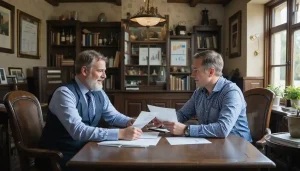
The introduction of additional business rates relief provides some financial support for eligible pubs. For many operators, this relief may partially offset increases caused by revaluation changes and the ending of previous support schemes.
However, the extent of the benefit varies depending on factors such as:
- Property valuation
- Existing rates liability
- Business structure
- Eligibility requirements
A rural pub owner described the concern clearly:
“I have seen costs rise across almost every area of the business. The additional relief is welcome, but many operators are still trying to manage higher wage bills, supplier increases, and energy costs. The challenge is balancing all of these expenses while continuing to serve the local community.”
This reflects the view held by many independent operators who appreciate government support but remain cautious about future financial pressures.
Could More Rural Pubs Close as Costs Continue to Rise?
The possibility of additional pub closures remains a significant concern across the hospitality sector. The UK has experienced pub closures for many years due to changing consumer habits, economic pressures, and operational challenges.
When multiple cost increases occur simultaneously, some businesses may struggle to remain financially viable. Independent pubs can be particularly vulnerable because they often lack the resources available to larger pub chains.
Potential consequences of further closures include:
- Loss of local employment
- Reduced tourism activity
- Fewer community gathering spaces
- Negative effects on neighbouring businesses
- Reduced social interaction within villages
Industry groups continue to advocate for policies designed to protect community pubs and encourage long-term sustainability.
How Important Are Rural Pubs to Local Communities?
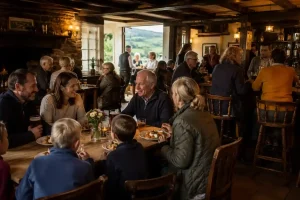
Rural pubs provide much more than food and drink. In many villages, the local pub acts as a social hub where residents gather, celebrate events, and maintain community connections.
Their wider contributions include:
- Supporting local employment
- Hosting community events
- Promoting local suppliers
- Encouraging tourism
- Providing meeting spaces for groups and organisations
For some communities, the closure of a pub can represent the loss of one of the area’s most important social assets. This is one reason why discussions about business rates and operating costs attract considerable public attention.
What Can Rural Pub Owners Do to Manage Rising Costs?
While policy changes remain outside individual business control, pub owners can take steps to improve resilience.
Common strategies include:
- Expanding food offerings
- Hosting events and entertainment
- Developing outdoor spaces
- Partnering with local producers
- Improving energy efficiency
- Introducing loyalty programmes
- Offering accommodation where possible
Some communities have also explored community ownership models that allow residents to invest directly in preserving local pubs. Diversifying revenue streams may help reduce dependence on traditional bar sales and create additional opportunities for growth.
What Does the Future Hold for Rural Pubs Under Labour Government Policies?

The future of rural pubs will depend on a combination of government policy, economic conditions, consumer behaviour, and industry innovation.
While additional business rates relief provides some short-term support, many operators continue to monitor future developments closely.
Potential areas of focus may include:
- Further business rates reform
- Additional hospitality support measures
- Changes to alcohol taxation
- Investment in rural economies
- Programmes designed to support small businesses
The hospitality industry remains an important contributor to the UK economy, and policymakers will likely continue to face pressure to ensure pubs can operate sustainably.
Conclusion
The term “Labour Government Rural Pub Tax” does not refer to a specific tax introduced by the government. Instead, it has become a shorthand description for concerns surrounding business rates changes and the wider financial pressures affecting rural pubs.
The end of temporary business rates relief, combined with the 2026 revaluation process and rising operating costs, has created challenges for many community pubs. Although additional relief measures have been introduced, concerns remain about the long-term sustainability of some rural establishments.
As village pubs continue to play an important role in supporting local communities, employment, and tourism, the debate surrounding taxation and business support is likely to remain a significant issue across the UK hospitality sector.
Frequently Asked Questions
Is the Labour Government introducing a specific rural pub tax?
No. There is currently no official tax called a rural pub tax. The phrase is commonly used to describe concerns about business rates increases and other rising costs affecting rural pubs.
How do business rates affect village pubs?
Business rates are a property-based tax paid by commercial premises. Higher rates can increase operating costs and reduce profitability for village pubs.
Why are community pubs concerned about rising costs?
Community pubs face multiple financial pressures, including business rates, wages, National Insurance contributions, energy bills, and supplier costs.
What support is available for rural pubs in England?
Eligible pubs may benefit from business rates relief schemes, including additional relief introduced for pubs and live music venues.
How do higher National Insurance costs affect pub businesses?
Increased National Insurance contributions can raise employment costs, making staffing more expensive for pub operators.
Can business rates relief prevent pub closures?
Business rates relief can reduce financial pressure, but long-term sustainability also depends on customer demand, operating costs, and broader economic conditions.
Why are rural pubs important to local economies?
Rural pubs support employment, attract visitors, strengthen local communities, and often serve as important social and cultural hubs.