
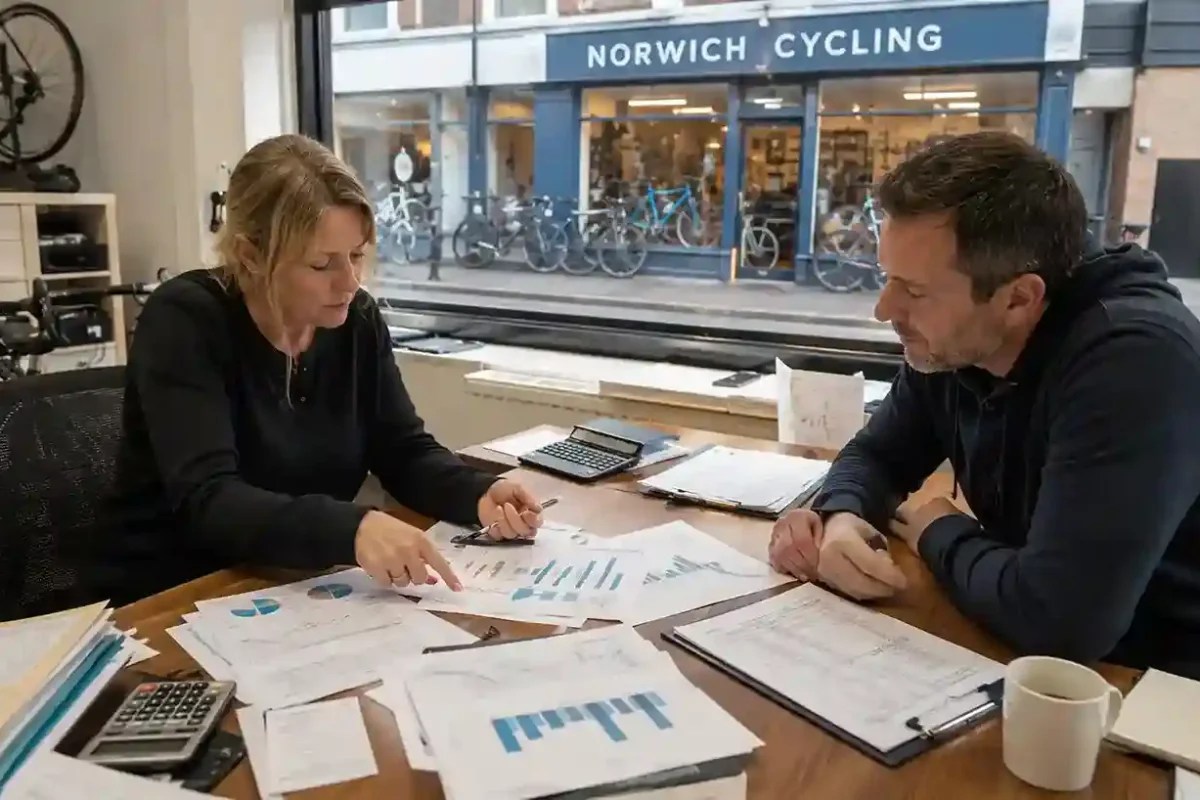
Pedal Revolution, a family-run Norwich cycling shop that has been trading for more than 25 years, has entered administration after appointing Parker Andrews as administrators on 20 May 2026.
Despite the insolvency process, the business continues to operate while efforts are made to find a buyer.
The development reflects the growing challenges facing independent cycling retailers amid rising costs, changing consumer habits, and increased competition within the UK retail sector.
Key Takeaways:
- Pedal Revolution has entered administration after more than 25 years in business.
- The Norwich-based retailer remains open while a buyer is sought.
- Parker Andrews was appointed as administrator on 20 May 2026.
- The company is one of Norfolk’s largest independent cycling retailers.
- Customers can currently continue purchasing products and accessing services.
- Rising operational costs and changing consumer spending patterns are affecting retailers across the UK.
- The administration highlights wider challenges facing independent bike shops.
- A successful sale could help preserve jobs, customer relationships, and the business’s long-standing presence in Norwich.
Why Has the Norwich Cycling Shop Entered Administration After 25 Years?
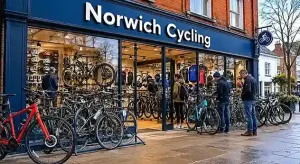
Pedal Revolution Limited’s entry into administration marks a significant development for both the Norwich business community and the wider cycling retail sector.
Having operated for more than 25 years, the company’s journey reflects many of the opportunities and challenges that independent retailers have experienced during a rapidly changing retail landscape.
The Norwich based cycling retailer built its reputation through specialist knowledge, customer service, and a strong connection with local cycling enthusiasts.
Over the years, the company successfully adapted to evolving consumer preferences, technological changes in bicycle manufacturing, and the growth of e-commerce.
Despite these efforts, the business has now entered administration, highlighting the pressures currently facing independent retailers across the UK.
Administration does not necessarily mean a business has ceased trading permanently. Instead, it is a formal insolvency process designed to provide breathing space while financial and operational options are explored.
In many cases, administration is used to protect a company from immediate creditor action while efforts are made to restructure operations, secure investment, or find a buyer.
The Background of Pedal Revolution
Founded during the 1990s, Pedal Revolution developed from a local bicycle retailer into one of Norfolk’s most recognised independent cycling businesses.
The company expanded its product offerings over the years to meet changing customer demands and advances within the cycling industry.
The retailer served a diverse customer base, including:
- Recreational cyclists
- Competitive cyclists
- Commuters
- Families
- Electric bike users
Its business model extended beyond bicycle sales. The company also generated revenue through servicing, repairs, bike fitting services, accessories, clothing, and specialist cycling equipment.
As cycling participation increased across the UK during various periods, particularly during the pandemic years, retailers such as Pedal Revolution experienced strong demand. However, changing market conditions in subsequent years created new challenges.
Administration Appointment and Current Status
Administrators from Parker Andrews were appointed on 20 May 2026. Their immediate objective is to assess the financial position of the company while exploring options that could preserve the business.
At present, the company continues trading. This is often an important step during administration because it allows customer relationships to be maintained while preserving the value of the business for potential buyers.
The administration process generally follows several stages.
| Administration Stage | Purpose |
| Appointment of Administrators | Take control of company affairs |
| Business Assessment | Review finances and operations |
| Creditor Protection | Prevent immediate creditor action |
| Buyer Search | Explore sale opportunities |
| Restructuring Review | Assess recovery options |
| Outcome Implementation | Sale, rescue, or closure |
The continuation of trading activity may also help protect jobs and reassure customers who have existing orders or service arrangements with the company.
Challenges Facing Independent Cycling Retailers
The cycling retail sector has experienced substantial fluctuations over the past decade. While demand increased significantly during periods of heightened interest in cycling, many retailers later faced inventory management challenges and changing consumer spending patterns.
Independent retailers face a unique set of obstacles compared with larger national chains and online competitors.
| Challenge | Impact on Retailers |
| Rising operating costs | Reduced profitability |
| Online competition | Pressure on pricing |
| Stock management issues | Increased cash flow risks |
| Economic uncertainty | Lower consumer spending |
| Supplier cost increases | Higher retail prices |
| Labour costs | Increased operational expenses |
These challenges have become more pronounced as consumers increasingly compare prices online before making purchasing decisions.
Many independent retailers rely on a combination of product sales and service-based revenue streams. While servicing and repairs often provide valuable recurring income, these services alone may not always offset wider commercial pressures affecting product sales.
What Is Pedal Revolution and Why Is It Important to Norwich’s Cycling Community?
For many local cyclists, Pedal Revolution has represented far more than a retail outlet. The company became a recognised part of Norwich’s cycling culture, supporting both new riders and experienced enthusiasts.
Independent bicycle retailers often play an important role within local communities because they provide specialist expertise that cannot always be replicated through online shopping platforms.
A Family Run Business Built by Cyclists
One factor that contributed to Pedal Revolution’s popularity was its positioning as a business operated by cycling enthusiasts. Customers frequently value specialist retailers because staff members possess practical knowledge and real-world experience.
The company consistently promoted its identity as a cyclist-led business. This approach helped establish trust among customers seeking guidance on bicycle purchases, maintenance requirements, and equipment selection.
Local businesses often benefit from long-standing relationships with customers. In the cycling industry, these relationships can develop over many years as riders return for servicing, upgrades, accessories, and new bicycle purchases.
Growth Into One of Norfolk’s Largest Independent Bike Retailers
Over time, Pedal Revolution expanded its operations to become one of the region’s largest independent cycling retailers.
Its growth reflected several industry trends:
| Growth Factor | Business Benefit |
| Expanded product range | Broader customer appeal |
| Online sales channels | Increased market reach |
| Workshop services | Additional revenue streams |
| Specialist bike fitting | Enhanced customer experience |
| Electric bike sales | Access to a growing market segment |
The growth of electric bicycles also created new opportunities for retailers. As consumer interest in sustainable transport increased, many cycling businesses diversified their product offerings to include e-bikes and related services.
Reputation Among Local Customers
Customer reviews suggest the business maintained a positive reputation throughout its trading history.
Many customers highlighted the personalised service they received when purchasing bicycles. Unlike large online retailers, independent stores often dedicate significant time to helping customers select the correct products based on their individual requirements.
This level of customer engagement can be particularly valuable when purchasing higher-value items such as road bikes, mountain bikes, and electric bicycles.
Positive customer experiences are often centred on:
- Professional bike fitting
- Product expertise
- Friendly service
- Technical support
- After-sales assistance
These factors contributed to the retailer’s strong standing within the local cycling community.
What Does Administration Mean for Pedal Revolution Customers?
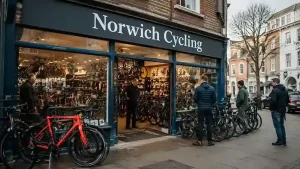
When a business enters administration, customers often have immediate concerns about existing purchases, warranties, repairs, and future support.
The impact on customers can vary depending on the circumstances surrounding the administration process and the actions taken by administrators.
Existing Orders and Purchases
Customers who have recently placed orders may understandably seek reassurance regarding delivery arrangements.
Because Pedal Revolution continues trading, some orders may proceed as planned. However, customers are generally encouraged to communicate directly with the company to obtain updated information regarding specific purchases.
The administration process can sometimes affect supplier relationships, inventory availability, and fulfilment schedules.
Repairs and Servicing
One important aspect of Pedal Revolution’s operations has been its servicing and repair facilities.
For many customers, workshop services are just as important as retail sales. Regular maintenance helps cyclists keep their bicycles safe, reliable, and performing efficiently.
The continuation of workshop services may help preserve customer confidence during the administration process.
Warranties and Gift Vouchers
Questions regarding warranties and gift vouchers commonly arise when retailers enter administration.
The treatment of these obligations can depend on several factors, including whether the warranty is manufacturer-backed or retailer-backed.
| Customer Concern | Potential Outcome |
| Manufacturer warranty | Usually remains valid |
| Retailer warranty | May require review |
| Gift vouchers | Subject to administrator decisions |
| Outstanding repairs | Depends on operational status |
| Future servicing | Subject to business continuity |
Customers should seek clarification directly from the company or administrators where necessary.
A retail insolvency adviser explained the situation clearly:
“In my experience, customers often assume administration means the immediate end of all services. In reality, administrators frequently continue trading operations because doing so can increase the chances of finding a buyer and preserving value for everyone involved.”
This approach often provides greater stability than an immediate closure.
How Will Employees, Suppliers and Local Cyclists Be Affected?
The effects of administration extend beyond customers and owners. Employees, suppliers, and the wider local community may all experience consequences during the process.
Impact on Employees
Employees are often among the first stakeholders to experience uncertainty when a company enters administration.
While trading continues, staff may remain in their roles as administrators assess future options. However, long term employment prospects frequently depend on whether a buyer is secured.
Independent retailers often rely heavily on experienced staff members whose specialist knowledge contributes significantly to customer satisfaction.
Impact on Suppliers
Suppliers can also face challenges when a retailer enters administration.
Outstanding invoices, future purchase agreements, and stock arrangements may all require review. Suppliers often work closely with administrators to determine how existing obligations will be handled.
The cycling industry depends upon extensive supplier networks that connect manufacturers, distributors, and retailers.
Impact on Norwich’s Cycling Community
The potential loss of a long established cycling retailer could affect the local cycling ecosystem.
Independent bicycle shops contribute to their communities through:
- Technical expertise
- Event support
- Community engagement
- Local employment
- Cycling promotion
Many cycling enthusiasts value access to local experts who can provide personalised recommendations and hands on assistance.
The disappearance of specialist retailers may reduce these opportunities within local communities.
What Economic Pressures Are Contributing to Retail Insolvencies in the UK?
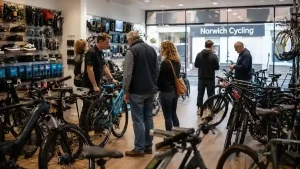
Pedal Revolution’s administration reflects wider economic trends affecting businesses throughout the country.
Recent insolvency statistics demonstrate that many organisations are facing difficult trading conditions.
Rising Costs and Changing Consumer Spending
Businesses across multiple sectors have experienced rising costs over recent years.
Key cost pressures include the following:
| Cost Category | Business Impact |
| Energy costs | Increased overheads |
| National insurance contributions | Higher employment expenses |
| Rent and property costs | Reduced margins |
| Logistics expenses | Increased operating costs |
| Supplier pricing | Higher inventory costs |
At the same time, consumers have become increasingly selective about discretionary purchases.
Bicycles often represent significant purchases, particularly premium models that can cost several thousand pounds. During periods of economic uncertainty, consumers may postpone or reconsider such investments.
Retail Sector Challenges in 2026
Retailers are operating within an environment characterised by rapid change.
Digital transformation has altered how consumers research products, compare prices, and complete purchases. Businesses must now invest in both physical retail experiences and digital platforms.
A retail restructuring specialist shared an observation from years of industry experience:
“I regularly see independent retailers adapting to market changes with remarkable resilience. The challenge today is that businesses are often dealing with multiple pressures simultaneously, including rising costs, shifting customer expectations, and increased competition from online marketplaces.”
This combination of factors can place significant strain on even well-established businesses.
Trends in UK Business Insolvencies
According to recent figures, insolvency activity has increased across England and Wales.
The following table highlights the broader trend.
| Indicator | Recent Position |
| Business insolvencies | Increased |
| Retail sector pressure | High |
| Consumer confidence | Mixed |
| Operating costs | Elevated |
| Competitive intensity | Strong |
These conditions have created a challenging environment for many independent businesses.
Could a Buyer Save the Norwich Cycling Retailer?
One of the key objectives during administration is identifying opportunities that could preserve business operations.
For Pedal Revolution, securing a buyer may offer the best route towards continuity.
Potential purchasers may see value in several areas of the business.
| Business Asset | Potential Value |
| Established brand | Market recognition |
| Customer database | Existing relationships |
| Retail premises | Operational infrastructure |
| Skilled workforce | Specialist expertise |
| Online platform | Digital sales capability |
| Community reputation | Customer loyalty |
A successful acquisition could allow operations to continue under new ownership while preserving many aspects of the business that customers value.
Administrators will typically assess multiple options before determining the most appropriate course of action.
What Does This Administration Reveal About the Future of Independent Bike Shops?
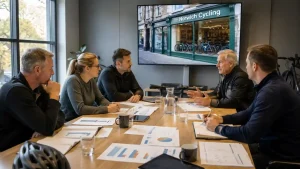
The administration of a respected retailer raises important questions about the future of specialist cycling businesses throughout the UK.
Independent bike shops continue to offer advantages that many online competitors struggle to match.
These advantages include expert advice, personalised fitting services, maintenance support, and community engagement.
However, businesses must also adapt to evolving consumer expectations and technological developments.
Success increasingly depends on combining traditional strengths with modern retail strategies.
Many retailers are investing in:
- Digital sales channels
- Service-based revenue
- Community events
- Customer loyalty programmes
These approaches may help independent businesses remain competitive in a rapidly changing market.
What Can Other Independent Retailers Learn From This Case?
The circumstances surrounding Pedal Revolution provide valuable lessons for businesses across the retail sector.
Long-term success requires continuous adaptation to changing market conditions. Even organisations with strong reputations and loyal customer bases must regularly evaluate their business models.
Areas that retailers often focus on include financial planning, inventory management, customer engagement, and diversification of revenue streams.
The experience of established businesses entering administration demonstrates that commercial success achieved over many years does not guarantee future stability.
Retailers must continue evolving alongside customer expectations, economic conditions, and competitive pressures.
For independent businesses across the UK, the story serves as a reminder of both the opportunities and challenges that define today’s retail environment.
Conclusion
The administration of Pedal Revolution marks the end of an important chapter for one of Norwich’s most recognised independent cycling retailers.
While the business continues to trade and administrators search for a buyer, uncertainty remains for employees, customers, and suppliers.
The situation also reflects the broader pressures facing independent retailers across the UK. Whether a rescue deal is secured or not, Pedal Revolution’s 25-year journey highlights both the value of specialist local businesses and the challenges of operating in an evolving retail market.
FAQs
What happens when a retail business enters administration?
Administration is a legal insolvency process that protects a company from creditor action while administrators explore options such as restructuring, rescue, or sale.
Can customers still buy products from a company in administration?
Yes, many businesses continue trading during administration, although customers should check directly with the company for updates regarding products and services.
Are bike warranties affected by administration?
Warranty arrangements can vary depending on the provider. Manufacturer warranties may remain valid, while retailer-backed warranties could be subject to review.
What role do administrators play in a business sale?
Administrators manage the company’s affairs, protect creditor interests, and seek opportunities to sell or restructure the business where possible.
Why are more UK retailers entering insolvency proceedings?
Many retailers are facing rising costs, reduced consumer spending, increased competition, and wider economic uncertainty.
How does administration differ from liquidation?
Administration aims to rescue a business or maximise returns to creditors, whereas liquidation typically involves closing the company and selling its assets.
What challenges are independent cycling retailers facing today?
Independent cycling retailers face pressures including online competition, changing customer habits, rising operating costs, and fluctuating demand.