

For those wondering about the cheapest countries to buy a house in 2026, the most affordable options are Bulgaria, Romania, North Macedonia, Georgia, Albania, Serbia, Hungary, Turkey, Greece, and Portugal.
These countries offer significantly lower property prices than the UK, making them attractive destinations for investors, retirees, digital nomads, and anyone seeking a second home abroad.
Property affordability remains a key factor for overseas buyers, especially as housing costs continue to rise in many developed nations. While cheap property alone is not enough to guarantee a good investment, countries that combine low purchase prices, reasonable living costs, stable infrastructure, and growth potential often present the best opportunities.
Key Points Covered in This Guide:
- The 10 cheapest countries to buy a house in 2026
- Average entry-level property prices
- Advantages of each property market
- Investment and lifestyle considerations
- Countries offering the best value for money
- A comparison table of the most affordable destinations
- Frequently asked questions about buying property overseas
Why Buyers Are Looking for Affordable Property Abroad?

The international property market has become increasingly attractive to UK buyers seeking better value for money. In many cases, the price of a small flat in the UK can purchase a detached house or multiple investment properties in certain overseas markets.
Several factors are driving this trend:
- Rising property prices in the UK
- Increased interest in retirement abroad
- Growth of remote working opportunities
- Demand for holiday homes
- Desire for diversified property investments
- Lower living costs in emerging markets
The cheapest countries to buy a house often offer additional benefits such as lower property taxes, affordable healthcare, and a more relaxed lifestyle.
Top 10 Cheapest Countries to Buy a House in 2026
1. Bulgaria
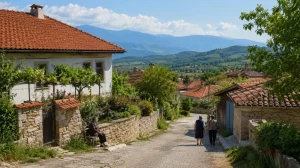
Bulgaria continues to hold its position as one of the cheapest countries to buy a house in 2026. For UK buyers seeking an affordable property abroad, Bulgaria offers a compelling combination of low house prices, low living costs, and European Union membership.
While property values in major cities such as Sofia have risen steadily over recent years, rural areas remain remarkably affordable.
Many foreign buyers are drawn to Bulgaria’s countryside villages, mountain regions, and Black Sea coastal towns, where properties can often be purchased for a fraction of the cost of a typical UK home. Renovation projects are particularly common, allowing investors to acquire large homes with land at very low entry prices.
In addition to affordable real estate, Bulgaria offers relatively low annual property taxes and utility costs. The country’s growing tourism sector, particularly around ski resorts and coastal destinations, also provides opportunities for holiday rental income.
Why Bulgaria Attracts Property Buyers?
- Extremely affordable property prices
- European Union member state
- Low property taxes
- Affordable healthcare and living costs
- Growing tourism industry
- Potential for long-term capital appreciation
Property Market Snapshot: Bulgaria
| Factor | Details |
| Entry-Level Property Price | £10,000–£30,000 |
| Popular Locations | Sofia, Varna, Burgas, Bansko |
| Property Tax | Generally low |
| Cost of Living | Among the lowest in Europe |
| Rental Potential | Moderate to strong in tourist areas |
| Best For | Retirees, investors, holiday home buyers |
2. Romania
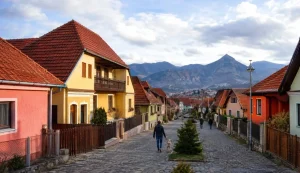
Romania has become increasingly attractive to foreign buyers due to its combination of affordability and economic growth. Although property prices remain relatively low compared to Western Europe, Romania’s expanding economy and infrastructure developments have strengthened its long-term investment appeal.
Village houses can often be purchased at highly affordable prices, particularly in rural regions. Larger cities such as Bucharest, Cluj-Napoca, and Timisoara have experienced rising demand, creating opportunities for investors seeking rental income and capital growth.
Romania’s improving transport networks, growing technology sector, and increasing foreign investment contribute to its reputation as an emerging property market. For buyers willing to look beyond traditional investment destinations, Romania offers significant value.
Key Benefits of Buying Property in Romania
- Affordable purchase prices
- Growing economy
- Expanding infrastructure
- Strong demand in major cities
- Increasing foreign investment
- Potential for property appreciation
Property Market Snapshot: Romania
| Factor | Details |
| Entry-Level Property Price | £15,000–£40,000 |
| Popular Locations | Bucharest, Cluj-Napoca, Brasov |
| Economic Growth | Strong compared to many European countries |
| Cost of Living | Low |
| Rental Demand | Growing in urban areas |
| Best For | Long-term investors and expats |
3. Albania

Albania has transformed from a relatively overlooked destination into one of Europe’s most promising property markets. Its stunning Adriatic and Ionian coastlines, affordable housing, and increasing international recognition have attracted buyers from across Europe.
Compared to neighbouring countries such as Greece, Croatia, and Italy, Albania offers significantly lower property prices while still providing access to beautiful beaches and a Mediterranean lifestyle. Coastal towns such as Sarandë, Vlorë, and Durrës have become hotspots for foreign investors seeking affordable holiday homes and rental properties.
Tourism growth has been one of the key drivers behind Albania’s property market expansion. As visitor numbers continue to increase, demand for short-term accommodation has created attractive rental opportunities for property owners.
Reasons Buyers Choose Albania
- Affordable beachfront properties
- Growing tourism industry
- Lower living costs
- Attractive climate
- Strong rental demand in tourist regions
- Potential for future appreciation
Property Market Snapshot: Albania
| Factor | Details |
| Entry-Level Property Price | £20,000–£60,000 |
| Popular Locations | Sarandë, Vlorë, Durrës, Tirana |
| Tourism Growth | Rapidly increasing |
| Cost of Living | Very affordable |
| Rental Potential | Strong in coastal areas |
| Best For | Holiday home buyers and retirees |
4. North Macedonia
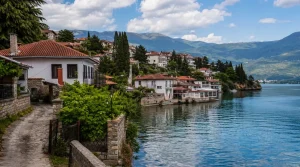
North Macedonia remains one of Europe’s hidden property market gems. Despite its affordability, the country receives far less international attention than many neighbouring nations, creating opportunities for buyers seeking value before wider market recognition.
Property prices remain low across much of the country, with homes available in both urban and rural locations at highly competitive prices. Cities such as Skopje and Ohrid have become increasingly popular due to their cultural attractions and improving infrastructure.
One of the major advantages of North Macedonia is its low overall cost of living. Everyday expenses, including utilities, transport, and groceries, remain considerably lower than in many Western European countries. This affordability appeals to retirees, remote workers, and budget-conscious investors.
Why Consider North Macedonia?
- Very low property prices
- Low living expenses
- Developing infrastructure
- Growing tourism sector
- Undervalued housing market
- Attractive natural scenery
Property Market Snapshot: North Macedonia
| Factor | Details |
| Entry-Level Property Price | £15,000–£50,000 |
| Popular Locations | Skopje, Ohrid, Bitola |
| Cost of Living | Very low |
| Tourism Potential | Growing steadily |
| Market Maturity | Emerging |
| Best For | Value-focused buyers and investors |
5. Serbia
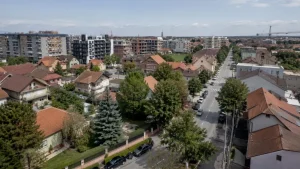
Serbia has emerged as one of the most interesting property markets in Southeast Europe. Although not yet as well-known among international buyers as some neighbouring countries, Serbia’s growing economy and increasing foreign investment have helped strengthen its real estate sector.
The country’s capital, Belgrade, has become a major regional business hub, attracting professionals, entrepreneurs, and investors. At the same time, smaller cities and rural regions continue to offer highly affordable property options.
Foreign interest in Serbia’s property market has grown steadily due to improving infrastructure, economic development, and relatively low acquisition costs. Investors are particularly attracted by the potential for future growth as the country continues to modernise and attract international business activity.
Advantages of Buying Property in Serbia
- Affordable housing market
- Growing economy
- Increasing foreign direct investment
- Strong demand in Belgrade
- Low cost of living
- Potential capital growth opportunities
Property Market Snapshot: Serbia
| Factor | Details |
| Entry-Level Property Price | £20,000–£60,000 |
| Popular Locations | Belgrade, Novi Sad, Niš |
| Economic Outlook | Positive |
| Cost of Living | Affordable |
| Rental Demand | Growing in cities |
| Best For | Investors and long-term buyers |
6. Turkey

Turkey remains one of the most popular destinations for international property buyers thanks to its vast selection of affordable homes, attractive coastal resorts, and strong tourism industry.
The country’s unique position between Europe and Asia has helped create a dynamic real estate market that appeals to investors, retirees, and holiday home buyers alike.
While property prices vary significantly depending on location, many regions still offer excellent value compared to Western European markets. Coastal destinations such as Antalya, Alanya, and Fethiye continue to attract foreign buyers looking for sea-view apartments and holiday villas at reasonable prices.
Turkey’s property market also benefits from year-round tourism, creating opportunities for short-term rental income. Additionally, the country’s large domestic population helps support ongoing housing demand in major cities.
Why Buyers Consider Turkey?
- Wide range of property types
- Affordable coastal apartments
- Strong tourism sector
- Modern infrastructure in many regions
- Large property market with numerous options
- Potential rental income opportunities
Property Market Snapshot: Turkey
| Factor | Details |
| Entry-Level Property Price | £25,000–£80,000 |
| Popular Locations | Antalya, Alanya, Istanbul, Fethiye |
| Tourism Industry | Strong |
| Cost of Living | Lower than many Western European countries |
| Rental Potential | High in tourist destinations |
| Best For | Holiday home buyers and rental investors |
7. Greece
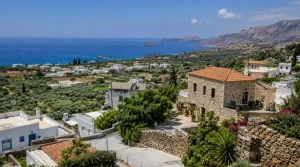
Although Greece is often associated with luxury island properties, many areas remain surprisingly affordable for overseas buyers. Beyond well-known destinations such as Santorini and Mykonos, buyers can find excellent value in rural villages, lesser-known islands, and inland regions.
Greece offers an appealing combination of Mediterranean weather, rich cultural heritage, and a strong tourism industry. Many buyers are attracted by the possibility of owning a home in a scenic location while benefiting from potential rental demand during the holiday season.
The country’s tourism-driven economy continues to support property demand in many regions. For those willing to explore beyond the most famous destinations, Greece offers a range of affordable housing opportunities.
Benefits of Buying Property in Greece
- Mediterranean lifestyle
- Strong tourism market
- Affordable rural housing
- Beautiful coastal and island locations
- Potential holiday rental income
- Established expat communities
Property Market Snapshot: Greece
| Factor | Details |
| Entry-Level Property Price | £40,000+ |
| Popular Locations | Crete, Peloponnese, Corfu, Rhodes |
| Tourism Demand | Very strong |
| Cost of Living | Moderate |
| Rental Opportunities | Excellent in tourist regions |
| Best For | Lifestyle buyers and holiday property investors |
8. Portugal

Portugal consistently ranks among the most desirable countries for expats, retirees, and international property buyers. While property prices in Lisbon, Porto, and parts of the Algarve have increased significantly in recent years, inland regions still offer affordable opportunities.
Portugal is widely recognised for its excellent healthcare system, safety, pleasant climate, and high quality of life. These factors continue to attract buyers from the UK and other European countries seeking a permanent relocation or retirement destination.
Inland towns and villages often provide excellent value compared to coastal hotspots, allowing buyers to enjoy Portugal’s lifestyle benefits without paying premium property prices.
Why Portugal Remains Popular?
- Excellent quality of life
- Modern infrastructure
- Strong healthcare system
- Safe and stable environment
- Attractive retirement destination
- Established expat communities
Property Market Snapshot: Portugal
| Factor | Details |
| Entry-Level Property Price | £40,000–£100,000 |
| Popular Locations | Central Portugal, Alentejo, Algarve |
| Quality of Life | High |
| Healthcare | Excellent |
| Cost of Living | Moderate |
| Best For | Retirees, families, and long-term residents |
9. Hungary

Hungary offers some of Central Europe’s most affordable property options, particularly in rural areas and smaller towns. While Budapest attracts significant international interest, many buyers discover exceptional value outside the capital.
The country’s central location makes it attractive for those who want easy access to other European destinations. Hungary also benefits from a relatively low cost of living, making it an appealing option for retirees and remote workers.
Village houses and countryside properties often provide generous living space at prices that would be difficult to find in much of Western Europe. Combined with good transport connections and a stable infrastructure network, Hungary continues to attract value-focused buyers.
Advantages of Buying Property in Hungary
- Affordable village homes
- Central European location
- Low living costs
- Good transport infrastructure
- Rich cultural heritage
- Growing tourism industry
Property Market Snapshot: Hungary
| Factor | Details |
| Entry-Level Property Price | £20,000–£70,000 |
| Popular Locations | Budapest, Lake Balaton, Pécs |
| Cost of Living | Affordable |
| Infrastructure | Well developed |
| Tourism Potential | Strong |
| Best For | Retirees, remote workers, and investors |
10. Georgia

Georgia has become one of the most attractive emerging property markets for international buyers. The country is particularly popular because of its straightforward property ownership rules, which generally allow foreigners to purchase residential property with minimal restrictions.
Property prices remain affordable compared to many European countries, while the cost of living is also relatively low. Major cities such as Tbilisi and Batumi have experienced increasing demand from expats, digital nomads, and investors.
Georgia’s government has actively encouraged foreign investment, helping to create a business-friendly environment. Combined with its scenic landscapes, growing economy, and welcoming atmosphere, Georgia has become a rising star among affordable property destinations.
Why Georgia Is Gaining Popularity?
- Foreigner-friendly ownership laws
- Affordable property prices
- Growing expat community
- Developing economy
- Attractive lifestyle and scenery
- Increasing international investment
Property Market Snapshot: Georgia
| Factor | Details |
| Entry-Level Property Price | £15,000–£50,000 |
| Popular Locations | Tbilisi, Batumi, Kutaisi |
| Foreign Ownership Rules | Very favourable |
| Cost of Living | Low |
| Expat Community | Growing rapidly |
| Best For | Expats, digital nomads, and property investors |
Which Country Offers the Best Value for Money?
When evaluating the cheapest countries to buy a house, focusing solely on the purchase price can be a costly mistake. A property may appear inexpensive initially, but factors such as economic stability, infrastructure quality, legal protections, and long-term growth potential often determine whether it becomes a successful investment. Buyers should look beyond headline prices and consider the overall value a country offers.
Property Market Growth
One of the most important indicators of value is property market growth. Countries experiencing economic expansion, infrastructure investment, and rising foreign interest often provide better opportunities for capital appreciation.
Markets such as Romania, Albania, and Georgia have attracted increasing attention due to their growing economies and improving business environments.
While no investment is guaranteed, buying in a developing market can potentially deliver stronger long-term returns than purchasing in a stagnant region.
Infrastructure Quality
Infrastructure plays a crucial role in property values. Well-maintained roads, reliable public transport, modern healthcare facilities, and fast internet connectivity can significantly improve a property’s appeal.
Countries investing heavily in infrastructure upgrades often see increased demand from both residents and international buyers. Portugal and Bulgaria, for example, have benefited from continued infrastructure improvements that support property market growth.
Foreign Ownership Rules
The ease of buying property as a foreigner can vary greatly between countries. Some nations have straightforward ownership processes and transparent legal systems, while others may impose restrictions or require additional approvals.
Georgia is particularly attractive because of its foreigner-friendly property ownership regulations, making transactions relatively simple for overseas buyers.
Cost of Living
Affordable housing becomes even more appealing when combined with a low cost of living. Expenses such as utilities, groceries, healthcare, and transportation can have a major impact on overall affordability.
Countries like Bulgaria, Albania, and Georgia offer both inexpensive property and low daily living costs, making them popular among retirees, expats, and remote workers.
Value for Money Comparison
| Country | Affordability | Infrastructure | Growth Potential | Cost of Living | Overall Value |
| Bulgaria | Excellent | Good | Strong | Very Low | Excellent |
| Romania | Very Good | Improving | Strong | Low | Very Good |
| Albania | Very Good | Improving | Strong | Low | Very Good |
| Georgia | Excellent | Good | Strong | Low | Excellent |
| Portugal | Moderate | Excellent | Moderate | Moderate | High |
For many buyers, Bulgaria, Romania, Albania, and Georgia provide the strongest combination of affordability, safety, infrastructure development, and future appreciation potential. These countries continue to stand out among the cheapest places to buy property in 2026.
What Are the Important Considerations Before Buying Property Overseas?

Purchasing property abroad can be an exciting opportunity, but it also involves risks and responsibilities that buyers should fully understand before committing.
Every country has its own legal framework, tax regulations, and property market dynamics. Conducting thorough research and seeking professional advice can help buyers avoid costly mistakes and make informed decisions.
Legal Requirements
Property ownership laws differ significantly from one country to another. Some nations allow foreigners to purchase property without restrictions, while others impose limitations on land ownership or require government approval.
Buyers should always work with a qualified local solicitor or property lawyer to verify ownership rights, review contracts, and ensure that the property has no outstanding legal issues. A professional legal review can prevent disputes and provide peace of mind throughout the purchasing process.
Currency Exchange Risks
For UK buyers purchasing overseas property, exchange rate fluctuations can have a significant impact on overall costs.
Even a small movement in currency values can alter the final purchase price by thousands of pounds. Investors should consider using currency specialists or forward contracts to reduce uncertainty and manage exchange rate risks more effectively.
Tax Obligations
Property taxes vary considerably across different countries. Buyers should understand all associated costs, including purchase taxes, annual property taxes, rental income taxes, and potential capital gains taxes when selling. Tax planning is particularly important for investors intending to generate rental income or hold property for long-term appreciation.
Exit Strategy
Before purchasing any overseas property, buyers should consider how easily they may be able to sell it in the future. Factors such as local demand, market liquidity, tourism growth, and economic conditions can affect resale opportunities. A property that is inexpensive today may not necessarily be easy to sell later.
Overseas Property Checklist
| Consideration | Why It Matters |
| Legal Requirements | Ensures ownership rights are protected |
| Currency Exchange | Affects purchase and investment costs |
| Tax Obligations | Impacts profitability and ongoing expenses |
| Exit Strategy | Determines future resale potential |
| Local Market Research | Helps identify investment opportunities |
| Professional Advice | Reduces legal and financial risks |
By carefully evaluating these factors before purchasing, buyers can minimise risks and improve their chances of making a successful overseas property investment. Whether purchasing a retirement home, holiday property, or investment asset, thorough due diligence remains one of the most important steps in the buying process.
Conclusion
The cheapest countries to buy a house in 2026 provide excellent opportunities for buyers seeking affordable real estate, lower living costs, and potential long-term investment growth.
Bulgaria, Romania, North Macedonia, and Georgia continue to lead the rankings for affordability, while Albania, Turkey, Portugal, and Greece offer appealing lifestyle benefits alongside property ownership opportunities.
Choosing the right country ultimately depends on an individual’s goals, whether they are looking for a retirement destination, holiday home, rental investment, or permanent relocation.
Careful research, legal guidance, and an understanding of local market conditions remain essential for making a successful overseas property purchase.
Frequently Asked Questions
Can foreigners legally buy property in these countries?
Most of the countries listed allow foreign buyers to purchase property, although specific rules and restrictions vary by country.
Which country has the lowest house prices in Europe?
Bulgaria is widely regarded as one of the countries with the lowest residential property prices in Europe.
Is buying property abroad a good investment?
It can be a good investment when buyers choose locations with economic growth, tourism demand, and strong infrastructure.
Which country is best for retirement property purchases?
Portugal, Albania, Bulgaria, and Greece are popular retirement destinations due to their lifestyle benefits and affordability.
Are there additional costs beyond the purchase price?
Yes. Buyers should account for legal fees, taxes, registration costs, maintenance expenses, and currency exchange charges.
What factors affect property appreciation overseas?
Economic growth, infrastructure improvements, tourism development, population growth, and foreign investment all influence appreciation.
Which affordable country has the easiest property ownership process?
Georgia is often recognised for its straightforward and foreigner-friendly property ownership regulations.