
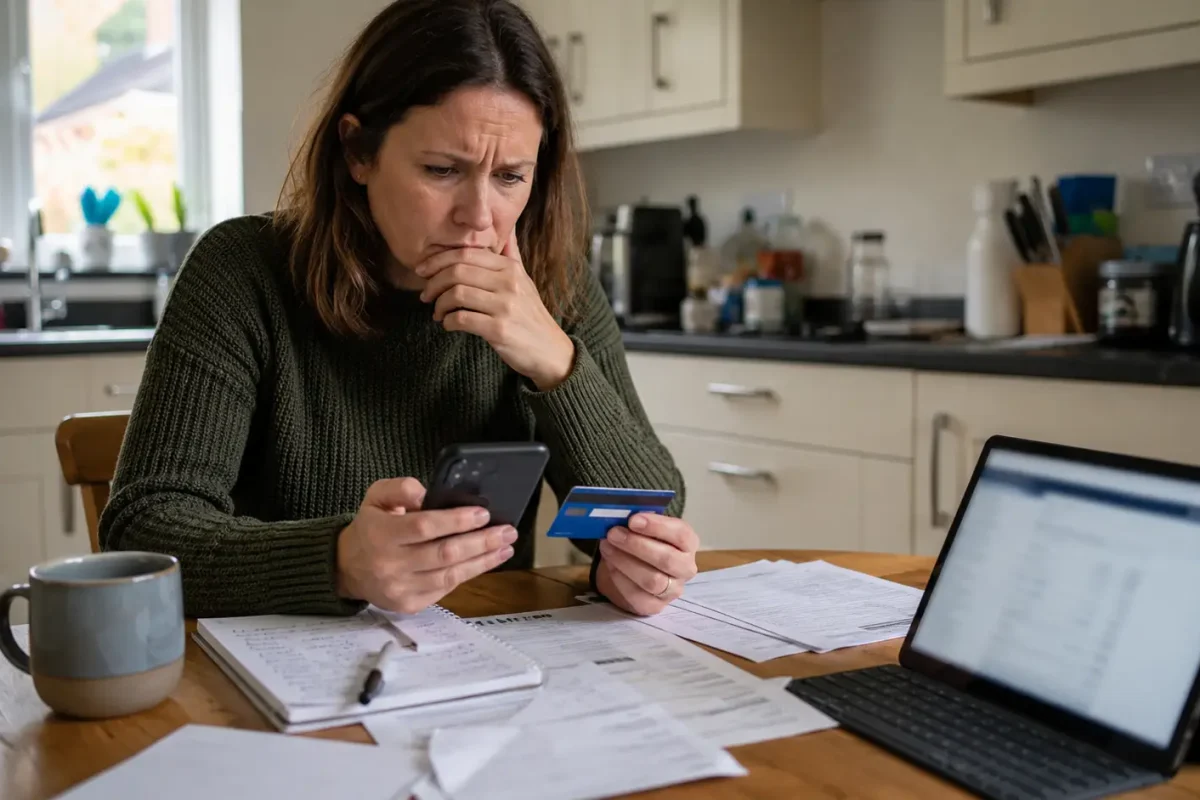
I have seen many people ask the same question after falling victim to fraud: do banks refund scammed money? The short answer is yes, many UK banks now refund eligible scam victims, particularly when the scam involves a bank transfer covered by current reimbursement rules.
However, refunds are not automatic in every situation, and the outcome often depends on the payment method used, how quickly you report the scam, and whether you meet the eligibility requirements.
Key points:
- Many bank transfer scam victims can now claim reimbursement.
- Different payment methods have different protection rules.
- Banks may reject claims in limited circumstances.
- Acting quickly improves your chances of recovering funds.
- The Financial Ombudsman Service can help if a claim is refused.
How Do UK Banks Handle Scam Refunds?

In the UK, whether banks refund scammed money largely depends on the type of payment involved and the circumstances of the fraud. Recent changes have introduced stronger protections for certain bank transfer scams, particularly authorised push payment (APP) fraud, where victims are deceived into sending money themselves.
Before these protections existed, recovering money after a scam was often difficult. Today, many victims have stronger rights when the payment was made through eligible UK bank transfer systems.
Martin Lewis, founder of MoneySavingExpert, has said:
“Modern scam reimbursement rules are designed to protect genuine victims, but people still need to stay alert and question unexpected payment requests before sending money.”
It is important to understand that not every scam falls under the same protection framework. Card payments, Direct Debits, PayPal transactions and bank transfers all follow different recovery processes.
What Type of Scam Payment Did You Make?
The method used to send money often determines whether you can recover it and what process you need to follow.
Bank Transfer Scams and APP Fraud
Authorised Push Payment fraud happens when a scammer persuades you to transfer money willingly. Common examples include investment scams, romance scams, impersonation scams and fake purchase scams.
Many UK bank account transfers sent through Faster Payments or CHAPS now fall under mandatory reimbursement protections if they meet the required conditions.
Card, PayPal, Direct Debit and Gift Card Scams
Other payment methods have separate protections. Credit cards may provide additional legal protection for qualifying purchases, while debit cards may allow chargeback claims. Direct Debits often benefit from guarantee schemes.
Gift cards and voucher payments are usually the hardest to recover because fraudsters can quickly redeem them.
Payment protection comparison:
| Payment Method | Possible Protection | Typical Refund Route |
| Faster Payments | APP reimbursement rules | Bank claim |
| CHAPS | Reimbursement protections | Bank claim |
| Debit Card | Chargeback | Card provider |
| Credit Card | Chargeback or legal protection | Card provider |
| Direct Debit | Direct Debit Guarantee | Bank |
| PayPal | Buyer protection | PayPal dispute |
| Gift Cards | Limited protection | Often difficult |
Understanding which payment method was used helps you identify the correct recovery process and avoid unnecessary delays.
When Must Banks Refund Scam Victims Under UK App Fraud Rules?

Mandatory reimbursement rules have significantly improved consumer protection for bank transfer scams. If you sent money through an eligible UK payment system and later discovered it was a scam, your bank will often be required to investigate and potentially reimburse you.
Eligibility Requirements
To qualify for reimbursement, you generally need to:
- Report the scam promptly.
- Cooperate with your bank’s investigation.
- Provide requested evidence.
- Confirm that you did not knowingly participate in the fraud.
Refund Limits and Timeframes
Most eligible claims are assessed quickly, although complex cases can take longer.
Refund timeline overview:
| Stage | Typical Timeframe |
| Scam reported | Immediately |
| Initial assessment | Within days |
| Standard reimbursement | Around 5 working days |
| Complex investigations | Up to 35 working days |
| Escalation process | Varies by case |
Some providers may apply a small excess in certain situations, although this does not apply universally.
John Davies, a financial fraud specialist, explained:
“The purpose of reimbursement rules is not only to return money but also to create stronger incentives for payment providers to prevent fraud.”
These protections have changed the landscape for scam victims and have improved confidence in digital banking.
When Can a Bank Refuse to Refund Scammed Money?
Although protections have improved, banks can still reject claims in certain situations. Understanding these exceptions is important because many people incorrectly assume every scam payment qualifies for reimbursement.
Payments Not Covered by Mandatory Rules
Some transactions fall outside current reimbursement protections. These may include international transfers, certain wire transfers, cash payments, cheques and gift card transactions.
Different rules may apply depending on the payment method, which is why identifying the exact transaction type is essential.
Gross Negligence and Customer Responsibilities
Banks may also examine whether you ignored significant warnings or failed to cooperate during the investigation.
In general, banks expect you to:
- Pay attention to fraud warnings.
- Report suspected scams quickly.
- Share relevant evidence.
- Respond to information requests.
The threshold for refusing a claim is intended to be high, but every case is assessed individually.
This is why maintaining records and acting promptly can make a significant difference to the outcome.
What Should You Do Immediately After Being Scammed?
The first few hours after discovering a scam are often critical. Taking the right actions quickly may improve the likelihood of recovering funds and preventing further losses.
Immediate action checklist:
- Stop communicating with the scammer.
- Contact your bank immediately.
- Freeze affected cards if necessary.
- Save screenshots and messages.
- Record dates and payment details.
- Report the incident to the relevant authorities.
- Monitor accounts for suspicious activity.
A common mistake is continuing conversations with fraudsters in the hope of recovering money. This can increase losses and complicate investigations.
Martin Lewis, founder of MoneySavingExpert, said:
“The speed at which a scam is reported can be one of the most important factors in limiting financial damage.”
Even if you are unsure whether a scam has occurred, contacting your bank immediately is usually the safest course of action.
What Evidence Helps Your Bank Refund a Scam Claim?
Evidence plays a major role in determining how smoothly your claim progresses. Banks need to establish what happened and assess whether the transaction meets reimbursement criteria.
Documents and Proof to Collect
Useful evidence may include:
- Bank statements.
- Payment confirmations.
- Emails and text messages.
- Screenshots of conversations.
- Website addresses.
- Advertisements used by the scammer.
- Invoices or receipts.
- Notes explaining the timeline.
Evidence checklist:
| Evidence Type | Why It Helps |
| Payment records | Confirms transaction details |
| Screenshots | Shows scam communication |
| Emails | Supports timeline |
| Website details | Assists fraud investigation |
| Call records | Verifies contact attempts |
Real-Life Example: A Successful Claim
I recently spoke with a claimant who had transferred £2,400 after seeing what appeared to be a legitimate online marketplace advert for construction equipment. After payment, the seller disappeared and all communication stopped.
The claimant told me:
“I realised something was wrong within an hour. I called my bank straight away, saved every message and submitted screenshots the same day.”
Because the payment was reported quickly and evidence was available, the investigation moved forward efficiently. While every case is different, this example highlights why immediate action and documentation matter.
What Can You Do If Your Bank Rejects Your Scam Refund?

A rejection does not necessarily mean the matter is over. Banks must explain their decision, and you have the right to challenge it if you believe it is unfair. Start by requesting a full explanation of the decision. Review the evidence considered and provide any additional information that may strengthen your case.
If you remain dissatisfied, follow the bank’s formal complaints process. The organisation must investigate your complaint and provide a final response. If the issue remains unresolved, you may escalate the matter to the Financial Ombudsman Service. The Ombudsman independently reviews disputes and can require firms to take corrective action where appropriate.
Many successful complaints involve situations where customers believe the bank failed to assess vulnerability, ignored evidence or applied reimbursement rules incorrectly.
Conclusion
So, do banks refund scammed money? In many cases, yes. UK consumers now have stronger protections than ever before, particularly for eligible bank transfer scams covered by APP reimbursement rules. However, refunds still depend on the payment method used, the circumstances of the scam and how quickly you act.
The most important step is to contact your bank immediately if you suspect fraud. Gather evidence, cooperate with the investigation and understand your rights. Even if your initial claim is rejected, complaint and escalation routes remain available. By acting quickly and following the correct process, you significantly improve your chances of recovering lost funds.
FAQs
How long does a scam refund take from a UK bank?
Many eligible claims are resolved within five working days, although more complex investigations can take significantly longer depending on the evidence required.
Can you get money back if you willingly sent it to a scammer?
Yes. Many APP fraud cases involve payments that victims authorised themselves after being deceived. These situations may still qualify for reimbursement.
Does the £85,000 scam refund limit apply to every claim?
The limit generally applies to eligible APP reimbursement claims, although some providers may choose to reimburse higher amounts in certain circumstances.
Can vulnerable customers get extra protection after a scam?
Yes. Vulnerability may be considered when banks assess reimbursement claims and customer responsibilities.
What happens if the scammer’s account is with another bank?
The receiving bank may cooperate with investigations and recovery efforts. Your own bank will usually manage the reimbursement process and communication.
Can you claim money back if the scam happened months ago?
Possibly. Time limits can apply, so it is important to report suspected scams as soon as possible even if some time has passed.
Should you report a scam even if the bank refunds you?
Yes. Reporting scams helps authorities track criminal activity, identify emerging fraud trends and potentially prevent other people from becoming victims.