

The latest confirmed rule for England is that all children in households receiving Universal Credit will qualify for free school meals from the start of the 2026/27 academic year, regardless of household earnings.
This means the old £7,400 earnings limit will no longer determine whether a Universal Credit household can receive the meal itself.
→ Start date: The expanded entitlement begins with the 2026/27 academic year, effectively from the autumn term in September 2026.
→ Main change: Universal Credit households earning above £7,400 can qualify for expanded free school meals, while the £7,400 threshold remains relevant to targeted FSM and linked support such as pupil premium.
Who Qualifies for Universal Credit Free School Meals in 2026?
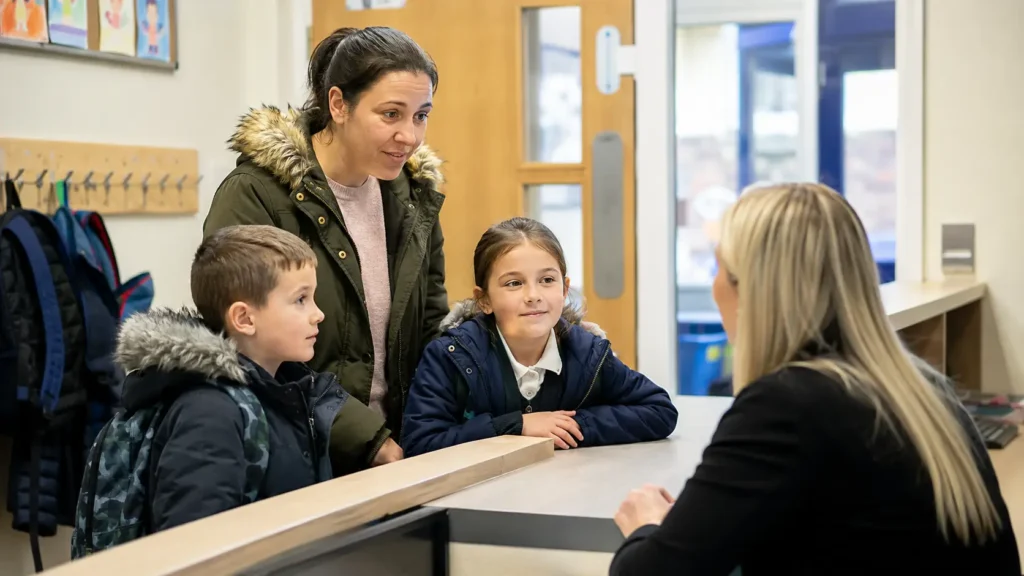
There are two different positions to understand because the rules change at the start of the new academic year.
| Household situation | Before the 2026/27 academic year | From the 2026/27 academic year |
| Receives Universal Credit and earns £7,400 or less | May qualify | Qualifies for targeted FSM |
| Receives Universal Credit and earns more than £7,400 | Normally does not qualify under the UC earnings rule | Qualifies for expanded FSM |
| Child receives Universal Credit directly | May qualify subject to the applicable rules | Can qualify |
| Reception, Year 1 or Year 2 pupil at a state-funded school | Free meal under infant entitlement | Free meal continues |
Under the Department for Education’s current guidance, children in households receiving Universal Credit qualify regardless of earnings once the 2026/27 academic year starts. A claim must still be made and eligibility must be verified by the school or local authority.
Children receiving qualifying benefits directly rather than through a parent or guardian can also qualify.
Free School Meals Eligibility Checker
Answer a few questions to see which free school meals route may apply to your child for the 2026/27 academic year.
Where does your child go to school?
The expanded Universal Credit rules covered by this checker apply to England.
Does your household receive Universal Credit?
Select the option that reflects your household’s current situation.
What are the household’s annual earnings?
This helps distinguish between targeted and expanded free school meals.
Which school year is your child in?
Reception, Year 1 and Year 2 pupils may also have a separate infant entitlement.
Which period are you checking?
Eligibility changes from the start of the 2026/27 academic year.
Is the £7,400 Free School Meals Threshold Being Removed?
It is being removed as a barrier to receiving the meal for Universal Credit households, but it is not disappearing completely.
From the 2026/27 academic year, the Department for Education will divide benefits-based free school meals into two categories.
Targeted Free School Meals
A child in a Universal Credit household with annual household earnings of £7,400 or less falls within targeted FSM.
These pupils receive free meals and can also count towards pupil premium and other disadvantage funding. The targeted category remains relevant to the Ever 6 FSM measure and certain other education entitlements.
Expanded Free School Meals
A child in a household receiving Universal Credit with annual earnings above £7,400 can qualify for expanded FSM.
This is essentially a meals-only entitlement. The important distinction is that expanded eligibility does not automatically bring all of the additional support attached to targeted FSM.
For example, the Department for Education says the Holiday Activities and Food programme and the extended-rights element of school travel assistance will continue to be based on targeted FSM rather than the expanded category.
Do All Universal Credit Claimants Automatically Get Free School Meals?

No. Receiving Universal Credit establishes the key benefits condition from the 2026/27 academic year, but families still need to make a claim and have their eligibility verified.
The Department for Education states that a pupil is eligible to receive the meal only where a claim has been made and the school or local authority has verified entitlement.
This means parents should not assume that their child’s school will automatically identify them simply because Universal Credit is being paid.
Schools and councils have been able to begin checking eligibility for the 2026/27 year ahead of the autumn term, and the Department for Education expects checks to be completed before the academic year begins where possible.
How Do You Apply for Free School Meals?
The simplest starting point is the GOV.UK free school meals application service, which asks for your postcode and directs you to the appropriate local authority process.
Depending on where you live, applications may be handled directly by the council or through your child’s school. The Department for Education allows schools and local authorities to operate online or paper application systems.
You may be asked for information including the claimant’s surname, date of birth and National Insurance number so the authority can verify Universal Credit and determine whether the child falls within targeted or expanded FSM.
Families planning their finances around the start of term may also want to check the latest August Universal Credit dates, particularly where a normal payment date falls on a weekend or bank holiday.
What Happens to Families Already Receiving Free School Meals?
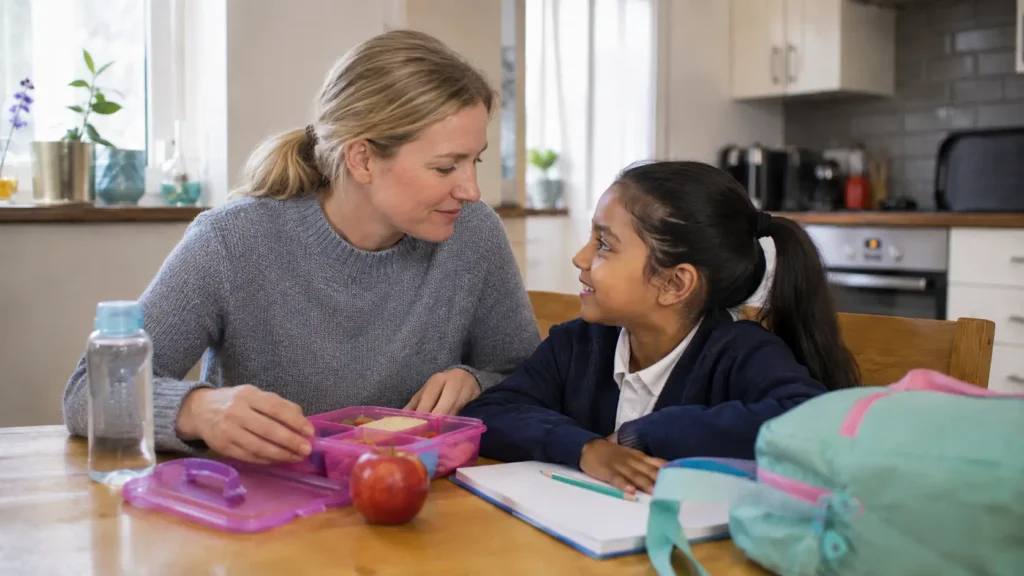
An important second change takes effect alongside the expansion: transitional protection ends at the end of the 2025/26 academic year.
Transitional protection has allowed some pupils to retain free school meal entitlement even when household circumstances changed. From the new academic year, households must meet the current eligibility rules instead.
For Universal Credit households, the wider entitlement means many families will still qualify for a free meal. However, a family’s classification as targeted or expanded FSM can affect associated support and school funding.
The Department for Education also expects eligibility to be rechecked annually. A check completed for the new system is generally valid for that academic year.
If household budgeting depends heavily on when benefits arrive, the guide to Universal Credit payment times explains how scheduled payment dates and bank processing can differ.
What About Reception, Year 1 and Year 2?
Children in Reception, Year 1 and Year 2 at state-funded schools already receive free meals through Universal Infant Free School Meals, regardless of their parents’ income or benefit status.
That entitlement continues in 2026/27.
However, parents receiving qualifying benefits should still make sure their circumstances are registered where appropriate.
Benefits-based eligibility can affect how a pupil is recorded and, for targeted FSM, whether the school attracts certain additional funding.
Does the Universal Credit Change Apply Across the UK?

No. The rules described here relate specifically to England.
Scotland, Wales and Northern Ireland operate their own free school meal systems and application arrangements. GOV.UK directs families outside England to the relevant devolved government services.
That distinction matters because a social media post stating that “everyone on Universal Credit now gets free school meals” can be misleading without specifying the country and start date.
What Should Parents Do Before September 2026?

Parents receiving Universal Credit should check their local authority or school’s application arrangements rather than waiting for the first school day.
The practical sequence is straightforward: submit or update the free school meals claim, provide the information required for verification, and check that the school or council has confirmed eligibility for the new academic year.
If a Jobcentre commitment affects school or childcare arrangements, understanding Universal Credit appointment rules can also help families know what to do when an unexpected childcare problem prevents attendance.
The central change is therefore generous but not entirely automatic: Universal Credit removes the earnings barrier to the meal from the 2026/27 academic year, while applications, verification and the distinction between targeted and expanded FSM still matter.
Frequently Asked Questions
Do you get free school meals if you receive Universal Credit in 2026?
From the start of the 2026/27 academic year in England, children in Universal Credit households qualify regardless of household earnings. Before the new academic year begins, the existing £7,400 earnings condition remains relevant.
Can I get free school meals if I earn more than £7,400?
Yes, from the 2026/27 academic year if your household receives Universal Credit. Earnings above £7,400 place the child in the expanded FSM category rather than targeted FSM.
Do I still need to apply for free school meals?
Yes. A claim must be made and eligibility must be verified by the school or local authority before the child is treated as eligible for benefits-based free school meals.
Does expanded free school meals eligibility include pupil premium?
No, not automatically. From 2026/27, pupil premium and Ever 6 FSM arrangements are based on targeted FSM. Universal Credit households earning above £7,400 can receive the meal through expanded FSM without being brought into the targeted category solely because of that entitlement.
Will free school meals eligibility be checked every year?
Yes. The Department for Education expects schools and local authorities to carry out annual rechecks so they can confirm whether a child still qualifies and whether their status is targeted or expanded FSM.