

The Royal Mail CWU pay deal means Royal Mail workers have accepted a new agreement covering pay and working arrangements.
CWU members backed the working arrangements deal by 65 per cent, while a separate 4.5 per cent pay offer was accepted by 72 per cent.
The agreement is seen as a step towards improving worker stability, rebuilding trust in Royal Mail and supporting better postal service performance across the UK.
Key takeaways:
- Royal Mail workers accepted a 4.5 per cent pay offer.
- CWU members also backed new working arrangements.
- The Government welcomed the agreement as a new chapter for Royal Mail.
- Workers may gain more pay clarity and workplace stability.
- Concerns may remain around workloads, implementation and service pressure.
What Is the Royal Mail CWU Pay Deal?

The Royal Mail CWU pay deal is an agreement between Royal Mail and the Communication Workers Union, which represents postal workers across the UK. It includes a 4.5 per cent pay offer and changes to working arrangements.
Overview of the Agreement
The deal follows a difficult period for Royal Mail, where workers, customers, businesses and the Government all raised concerns about the future of postal services.
The agreement focuses on:
- A 4.5 per cent pay offer
- Updated working arrangements
- A route towards better service performance
- A more stable future for Royal Mail workers
- Rebuilding confidence in the postal network
Key Voting Results from CWU Members
| Agreement Area | Result | Turnout |
| Working arrangements agreement | 65% backed the deal | 32.9% |
| Pay offer worth 4.5% | 72% accepted the offer | 32.3% |
The results show that a majority of voting CWU members supported both parts of the agreement. However, the turnout figures may still lead to discussion among workers about wider workforce opinion.
Why Did Royal Mail and the CWU Reach a New Pay Agreement?
Royal Mail and the CWU reached a new agreement because both sides needed a practical way forward after workplace tensions, industrial pressure and concerns over service quality.
Royal Mail has faced criticism over delivery delays and customer confidence. At the same time, postal workers have been concerned about pay, workloads, job security and changes to daily duties.
Background to the Dispute
The dispute was not only about wages. It also involved deeper concerns about how Royal Mail should operate in a changing postal market, where parcels, online orders and customer expectations are becoming more important.
Union Negotiations
The CWU played a central role in representing workers and putting the final offer to members for a vote.
A workplace relations adviser described the situation clearly:
“I see this agreement as a practical reset, not a perfect ending. Workers wanted recognition, Royal Mail needed change, and this deal gives both sides a structure to move forward.”
What Pay Rise Has Been Accepted by Royal Mail Workers?
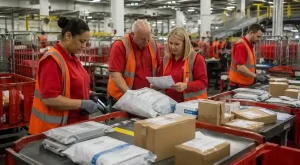
Royal Mail workers accepted a 4.5 per cent pay offer. This was supported by 72 per cent of CWU members who voted.
| Pay Deal Detail | Information |
| Accepted pay offer | 4.5% |
| Member support | 72% |
| Turnout | 32.3% |
| Main purpose | Improve pay and support wider agreement |
The pay rise will be welcomed by many workers, especially while household costs remain high. However, some employees may still feel that the increase does not fully reflect rising living costs, workload pressures or previous disruption.
How Did CWU Members Vote on the Royal Mail Pay Deal?
CWU members voted in favour of both the pay offer and the working arrangements agreement.
The pay offer received stronger backing, with 72 per cent support. The working arrangements agreement was accepted by 65 per cent of voting members. This suggests that workers may be more comfortable with the pay element than with wider operational changes.
| Vote Topic | Support Level | What It Suggests |
| Pay offer | 72% | Stronger approval for wage increase |
| Working arrangements | 65% | Majority support, but more mixed views |
| Turnout | Around one third | Engagement may remain a concern |
This matters because working arrangements can affect daily duties, routes, hours and workplace pressure more directly than a pay increase.
What Does the New Royal Mail CWU Agreement Mean for Workers?
The Royal Mail CWU pay deal gives workers a confirmed pay offer and more clarity on future working arrangements. It may help reduce uncertainty after a difficult period.
Pay and Financial Impact
The 4.5 per cent pay offer gives workers an increase in earnings. For many postal workers, this may help with bills, travel costs and everyday expenses.
The true impact will depend on each worker’s role, contracted hours, overtime and current pay level.
Working Arrangements and Operational Changes
The working arrangements part of the agreement may affect how routes are organised, how delivery duties are managed and how performance expectations are applied.
A postal employment consultant explained the concern clearly:
“When I speak to postal staff, the main question is not only about the percentage increase. It is about what the job will feel like once the changes are introduced.”
Job Confidence
The agreement may help improve confidence by giving workers a clearer picture of what comes next. However, trust will depend on how fairly the deal is implemented at local level.
Why Has the Government Welcomed the Royal Mail Pay Deal?
The Government welcomed the agreement because Royal Mail remains a vital national service. Delivery problems can affect households, small businesses, online sellers and public services.
Business Secretary Peter Kyle said postal services had let down loyal customers for too long and that rebuilding trust in Royal Mail means change. He also said the agreement marks a new chapter for Royal Mail.
The Government’s response shows that the deal is viewed not only as a workplace agreement but also as part of a wider effort to improve a service used across the UK.
How Could the Royal Mail Pay Agreement Affect Postal Services in the UK?

The agreement could support postal services by creating a more stable working environment. If pay disputes and workplace uncertainty reduce, Royal Mail may be better placed to focus on service performance.
Delivery Performance
Customers may benefit if the deal helps Royal Mail improve consistency and reliability. Businesses that depend on Royal Mail may also gain more confidence when planning orders, invoices, marketing materials and customer communication.
Rebuilding Trust
Trust is one of the biggest issues for Royal Mail. Once customers experience repeated delays, confidence can take time to rebuild.
| Group Affected | Possible Impact |
| Postal workers | More clarity on pay and duties |
| Customers | Potentially better delivery reliability |
| Businesses | Improved confidence in postal planning |
| Royal Mail | Opportunity to improve operations |
| Government | Progress on a national service concern |
What Are the Main Benefits of the Royal Mail CWU Pay Deal?
The main benefits of the Royal Mail CWU pay deal include improved pay, reduced uncertainty and a clearer route for operational change.
Key benefits include the following:
- A confirmed 4.5 per cent pay offer
- Majority CWU support for the agreement
- A possible reduction in workplace tension
- A stronger base for improving delivery performance
- More clarity for Royal Mail and its workforce
For workers, the main benefit is stability. For Royal Mail, it is the chance to move forward with reforms. For customers, it may mean better service if the agreement leads to real operational improvement.
What Concerns May Workers Still Have After the Agreement?

Although the agreement has been accepted, some workers may still have concerns. The turnout figures show that only around one third of members voted, which may raise questions about wider workforce feeling.
Some employees may also worry about how working arrangement changes will be applied in practice. A deal can appear clear nationally, but the real test comes when changes reach delivery offices and local teams.
Concerns may include:
- Higher workloads
- Changes to routes and duties
- Pressure from service targets
- Pay keeping pace with living costs
- Fair implementation across different regions
The agreement may reduce uncertainty, but it does not remove every concern.
How Does the Royal Mail CWU Pay Deal Fit into the Future of UK Postal Services?
The Royal Mail CWU pay deal fits into a wider debate about the future of UK postal services. Royal Mail must balance traditional letter delivery with rising parcel demand, online shopping growth and changing customer expectations.
At the same time, postal workers remain central to the service. Without a stable workforce, operational reform becomes harder to achieve.
The deal can be seen as a foundation. It gives Royal Mail and the CWU a platform to rebuild trust, but long-term success will depend on fair delivery, clear communication and improved service performance.
What Should Royal Mail Workers Expect Next?

Royal Mail workers should expect the agreement to move into practical implementation. This means updates on pay changes, working arrangements and local operational plans.
| Next Step | Why It Matters |
| Pay implementation | Workers need clarity on timing |
| Local communication | Teams must understand changes |
| Performance monitoring | Customers expect improvement |
| Union involvement | Workers may need support during the transition |
Clear communication will be essential. If workers understand what is changing and why, the agreement is more likely to succeed.
Conclusion: Is the Royal Mail CWU Pay Deal a Turning Point for Workers and Postal Services?
The Royal Mail CWU pay deal could be a turning point for Royal Mail workers and UK postal services. The accepted 4.5 per cent pay offer gives workers a financial improvement, while the working arrangements agreement creates a route towards operational change.
However, the deal’s success will depend on what happens next. Workers will need fair implementation, customers will expect better service, and Royal Mail will need to prove that the agreement can lead to real improvement.
For now, the agreement marks an important step forward. It moves Royal Mail, the CWU and postal workers into a new phase where trust, service quality and workforce confidence will matter most.
FAQs
What percentage of CWU members supported the Royal Mail working arrangements agreement?
CWU members backed the working arrangements agreement by 65 per cent, with a turnout of 32.9 per cent.
What was the accepted Royal Mail pay offer worth?
The accepted Royal Mail pay offer was worth 4.5 per cent. It was supported by 72 per cent of voting CWU members.
Why was the Royal Mail CWU pay deal important for postal workers?
The deal was important because it covered both pay and working arrangements, giving workers more clarity after a period of uncertainty.
How could the agreement affect Royal Mail customers?
Customers may benefit if the agreement helps Royal Mail improve delivery reliability and overall service standards.
What role did the Government play in the Royal Mail pay agreement?
The Government welcomed the agreement and said it marked a new chapter for Royal Mail, especially in rebuilding trust.
Does the Royal Mail CWU agreement end all worker concerns?
No. Some concerns may remain around workload, turnout levels, working arrangements and local implementation.
What could happen after the Royal Mail CWU pay deal is accepted?
The next stage is implementation, including updates on pay, working arrangements and how changes affect daily operations.