

The UK parcel tax loophole change marks a significant shift in how low-value imports will be treated, with the government bringing forward plans to remove customs duty relief on parcels valued at £135 or less from October 2028.
The reform aims to create fairer competition between UK retailers and overseas sellers that have benefited from the current exemption. While the change has been welcomed in principle, retailers argue the revised timeline remains too slow.
Key takeaways:
- The customs duty relief for parcels worth £135 or less will end in October 2028.
- The reform is intended to level the playing field between UK retailers and overseas online marketplaces.
- A proposed £2.60 parcel charge could increase the overall cost of some imported purchases, depending on the final implementation.
- The government is also reviewing how VAT is collected through online marketplaces.
- Retail industry groups continue to call for the reforms to be introduced sooner.
The reforms represent one of the UK’s most important changes to cross-border online shopping in recent years, making it essential for both consumers and businesses to understand the likely impact.
What Is the UK Parcel Tax Loophole Change and Why Is It Happening?

The UK parcel tax loophole change refers to the government’s decision to remove customs duty relief on low-value imports entering the UK. Under the current rules, parcels valued at £135 or less can generally enter the country without customs duties when shipped directly from overseas sellers to consumers.
This exemption has allowed international platforms such as Shein, Temu, AliExpress and Amazon Haul to sell products at highly competitive prices by shipping directly from manufacturing hubs, particularly in China.
According to the Treasury, removing this relief will help create fairer competition between high street retailers and international online marketplaces, while also modernising the UK’s import system.
“The government has listened to industry and chosen to accelerate delivery of the reforms by six months to October 2028.” — HM Treasury
How Does the Current £135 Small Parcel Import Rule Work?
The existing customs duty relief applies to many imported goods valued at £135 or below. Although VAT rules may still apply depending on the seller and transaction, customs duty is generally not charged under the current system.
What Counts as a Low-Value Import?
Low-value imports generally include individual parcels sent directly to UK consumers where the declared value does not exceed £135. These are commonly used by overseas online marketplaces that fulfil orders directly from international warehouses.
Why Has the Rule Benefited Overseas Online Retailers?
Direct shipping has allowed overseas sellers to avoid customs duties that UK retailers often face when importing goods in bulk. This pricing advantage has helped ultra-low-cost platforms rapidly expand within the UK market.
Current rule vs upcoming change:
| Feature | Current Position | From October 2028 |
| Customs duty relief | Available for many parcels worth £135 or less | Relief removed |
| Overseas marketplace advantage | Significant | Expected to reduce |
| Competition with UK retailers | Uneven according to retailers | Intended to become fairer |
| Government objective | Existing framework | Fairer retail competition |
The planned reforms are expected to reshape how low-value imports enter the UK market.
When will the UK Government Remove Customs Duty Relief on Low-Value Parcels?
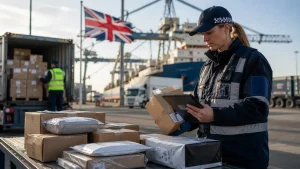
The government originally planned to remove the customs duty exemption by March 2029. Following discussions with retailers, the implementation has now been brought forward to October 2028, approximately six months earlier.
Although the revised timetable reflects industry feedback, many major retailers believe it still leaves an unfair competitive imbalance for another two years.
“The changes will ensure fairer competition between high street and online retailers.” — HM Treasury
Retailers argue that delaying implementation continues to disadvantage businesses operating physical stores across UK town and city centres. Industry bodies have also highlighted the potential loss of tax revenue under the existing system.
What Does the £2.60 Parcel Charge Mean for UK Online Shoppers?
Although the precise implementation details are still developing, many consumers are asking how the reported £2.60 parcel charge could affect online purchases.
Depending on the final customs arrangements, some imported orders may become more expensive through additional import-related charges, administration costs or revised customs processes.
Example Cost Breakdown for a Low-Value Online Order
The examples below are for illustration only. Actual costs will depend on the product, retailer, customs arrangements, VAT, and any carrier administration fees.
| Order Value | Current Estimated Cost | Possible Cost After Reform* |
| £10 | £10 | Around £12.60 |
| £30 | £30 | Around £32.60 |
| £100 | £100 | Around £102.60 |
*Illustrative examples only. Final charges will depend on future government rules and applicable import costs.
Will Cheap Online Shopping from Overseas Become Less Attractive?

Many overseas retailers have remained popular because of their low prices. If import-related charges increase, the price gap between overseas and UK retailers could narrow, encouraging shoppers to compare the total purchase cost, including delivery, taxes, and additional fees, before placing an order.
Could Delivery Times or Returns Be Affected?
Additional customs checks may increase processing times for some international parcels. Retailers may respond by expanding UK-based warehousing or adjusting fulfilment strategies to reduce delays.
As the proposed reforms develop, shoppers should expect further updates on delivery times, returns, and overall purchasing costs.
Why Are UK Retailers Still Unhappy with the Parcel Tax Reform Timeline?

Despite welcoming the government’s decision to accelerate the reforms, leading retailers argue that October 2028 remains too distant.
Key concerns raised by the retail sector:
- UK businesses continue competing against overseas sellers benefiting from the existing customs relief.
- High street retailers believe the current system reduces government tax revenue.
- Industry groups argue the delay prolongs an uneven competitive environment.
- Retailers want the reforms implemented significantly earlier than October 2028.
George Weston, Chief Executive of Primark parent company ABF, described the revised timetable as “dispiriting”, arguing that the government should move more quickly to support UK retailers.
“While bringing the timetable forward is welcome, it does not go far enough to address the unfair competitive landscape facing UK retailers.” — Helen Dickinson, Chief Executive, British Retail Consortium
The continued pressure from retailers suggests the debate around implementation timing is unlikely to disappear.
How Could the UK Parcel Tax Loophole Change Affect Online Marketplaces and Small Businesses?
Alongside removing customs duty relief, the government has confirmed it is reviewing how VAT is collected through online marketplaces. This wider review could introduce further compliance changes for international sellers.
Businesses selling directly into the UK may need to review their pricing models, customs declarations and fulfilment strategies. Some overseas retailers could choose to establish more UK warehousing, while others may adjust product pricing to absorb some of the additional costs.
For smaller importers, the reforms highlight the importance of monitoring customs requirements and ensuring compliance with future HMRC guidance. Preparing well before the implementation date should help minimise disruption as the new rules come into effect.
What Should UK Consumers Do Before the Parcel Tax Loophole Closes?
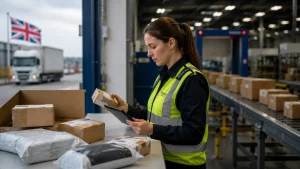
Although the reforms will not take effect until October 2028, consumers can begin making more informed purchasing decisions now.
Practical considerations for shoppers:
- Compare the total purchase cost rather than only the advertised product price.
- Check where products are dispatched from before ordering.
- Monitor retailer updates regarding import charges and delivery policies.
- Understand whether VAT or customs-related costs are included at checkout.
- Compare overseas prices with UK-based retailers before purchasing.
As further implementation details emerge, shoppers who understand the changing import rules will be better positioned to avoid unexpected costs while continuing to shop confidently online.
Conclusion
The UK parcel tax loophole change represents a major shift in the country’s approach to low-value imports and cross-border online shopping.
By removing customs duty relief from October 2028, the government aims to create fairer competition between UK retailers and overseas marketplaces.
While the proposed £2.60 parcel charge and related reforms may increase costs for some imported purchases, they are also expected to support a more balanced retail environment. Consumers and businesses should stay informed as further implementation details are announced.
FAQs
What is the UK parcel tax loophole?
It refers to the current customs duty relief that allows many parcels valued at £135 or less to enter the UK without customs duties when shipped directly from overseas sellers.
Will all imported parcels become more expensive?
Not necessarily. The final impact will depend on the product value, applicable duties, VAT rules and any carrier administration charges introduced under the new system.
Why is the government changing the rules?
The government says the reforms are intended to create fairer competition between UK retailers and overseas online marketplaces while modernising customs processes.
Which online marketplaces could be affected?
Major international platforms such as Shein, Temu, AliExpress and Amazon Haul are among those expected to be affected because they frequently ship low-value goods directly to UK consumers.
Does this change affect VAT?
The customs duty reform is separate from VAT, although the government is also reviewing how VAT is collected through online marketplaces.
When will the reforms begin?
The removal of customs duty relief for qualifying low-value imports is currently scheduled to take effect in October 2028.
Why are UK retailers calling for faster action?
Retail organisations argue that delaying the reforms continues to create an uneven competitive environment and prolongs disadvantages for UK high street businesses.