
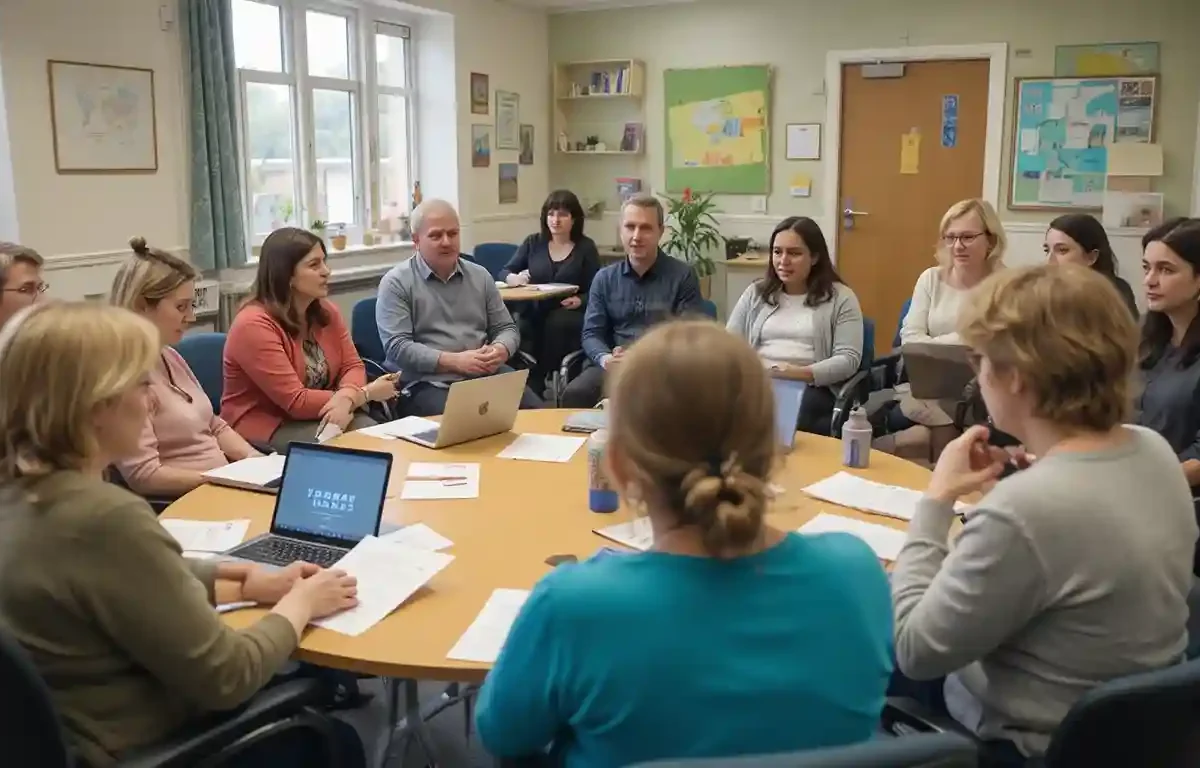
The DWP benefits swap proposal is a potential welfare reform that could allow some sickness and disability benefits claimants to exchange part of their financial support for personalised services such as therapy, physiotherapy, employment guidance and skills training.
The government is exploring whether a “cash plus support” approach could help more people overcome barriers to work while addressing rising welfare spending.
Although the proposal is still under discussion and has not become official policy, it could affect millions of claimants across the UK if implemented.
Key Takeaways:
- The DWP is considering a new benefits swap proposal for sickness and disability claimants.
- Claimants could receive a combination of cash payments and tailored support services.
- Support may include therapy, physiotherapy, skills training and employment guidance.
- The proposal has been compared to the Motability scheme.
- Ministers believe better support could help more people move into work.
- The reform is intended to focus on assistance rather than direct benefit cuts.
- Concerns remain about assessments, participation requirements and financial security.
- No final policy has been announced, and discussions are ongoing.
What Is the DWP Benefits Swap Proposal?

The DWP benefits swap proposal is a welfare reform idea that could allow some sickness and disability benefits claimants to exchange part of their payments for tailored support.
Instead of only receiving cash payments, claimants may be offered a “cash plus support” package. This could include practical help such as therapy, physiotherapy, employment coaching, skills training or health-related support.
The aim is to help people who want to work but face barriers because of illness, disability or long-term health conditions.
The Proposed Cash Plus Support Model
Under the idea, claimants would be assessed before receiving a personalised package. This would not simply be a standard benefit payment. It could combine financial support with services designed to help them move closer to employment.
| Current System | Proposed Support Model |
| Mainly cash-based benefit payments | Cash plus tailored support |
| Limited practical employment help | Health, skills and work support |
| Standardised claimant process | Personalised assessment |
| Focus on financial entitlement | Focus on barriers to work |
Why Is the Government Considering a DWP Benefits Swap Proposal?
The proposal is being considered because welfare spending has become a major political and financial issue in the UK. Ministers are looking for ways to reduce long-term benefit dependency without directly cutting support for vulnerable people.
The Labour government is reportedly interested in a system that helps more people into work by addressing the reasons they are unable to work.
A welfare policy adviser explained the issue clearly:
“Many claimants are not refusing work; they are waiting for the right kind of support. In my experience, the real problem is that health, skills and employment services often do not join up properly.”
This insight reflects one of the central arguments behind the plan. Some people may need treatment, confidence-building, retraining or workplace adjustments before they can realistically return to employment.
How Could Sickness and Disability Claimants Be Affected?

Millions of people receiving sickness or disability-related benefits could be affected if the proposal becomes official policy. However, the details are not yet confirmed.
Some claimants may be offered support that is more personalised than the current system. Others may worry that exchanging part of a payment could leave them financially worse off.
Possible effects may include:
- A new assessment process
- More tailored employment support
- Access to therapy or physiotherapy
- Skills development opportunities
- Changes to how benefit support is delivered
- Concerns about whether support would be voluntary or expected
| Claimant Concern | Possible Government Response |
| Loss of income | Support may be designed as additional help |
| Pressure to work | Assessments may consider health barriers |
| Lack of trust in DWP decisions | Clear safeguards would be needed |
| Poor access to services | Tailored packages may improve access |
What Support Could Be Included in the Benefits Swap Plan?
The proposed package could include different services depending on the claimant’s circumstances. The idea is not simply to push people into jobs, but to remove obstacles that prevent work.
| Type of Support | How It Could Help |
| Therapy | Support people with mental health conditions |
| Physiotherapy | Help claimants with mobility or pain issues |
| Skills training | Improve job prospects |
| Employment guidance | Help with CVs, interviews and job searching |
| Health support | Reduce barriers linked to long-term conditions |
| Workplace advice | Support reasonable adjustments |
Practical support for real barriers
Many sickness claimants face overlapping challenges. Someone may have anxiety, limited qualifications and chronic pain at the same time. A single job search appointment may not be enough.
The DWP benefits swap proposal appears to focus on building a broader package around the individual rather than offering one-size-fits-all welfare support.
How Does the Proposal Compare with the Motability Scheme?

The proposal has been compared with the Motability scheme. Under Motability, eligible disabled people can use part of their qualifying benefit to lease a car, scooter or powered wheelchair.
The comparison is important because it shows how benefit payments can sometimes be redirected into practical support.
| Motability Scheme | Benefits Swap Proposal |
| Uses part of the benefit for transport | Could use part of the benefit for support services |
| Helps with independence | Could help with employment readiness |
| Voluntary model | Voluntary status still needs clarity |
| Focuses on mobility | Focuses on health, skills and work |
However, there is a key difference. Motability supports independence, while the DWP benefits swap proposal would likely be linked more directly to employment outcomes.
Why Are Some Claimants Worried About the Proposal?
Although the proposal is being described as support-focused, many claimants may still be anxious. Any change to sickness or disability benefits can create fear, especially among people who already struggle financially.
Common concerns include:
- Whether payments could be reduced
- Whether claimants may feel pressured into support
- Whether assessments will be fair
- Whether services will be available quickly
- Whether people with severe conditions will be protected
A disability rights worker described the concern clearly:
“When people hear the word reform, they often hear cuts. I would want any new support scheme to prove that it improves people’s lives before changing anyone’s income.”
This is why trust will be central to the success of any welfare reform.
Could the DWP Benefits Swap Proposal Help People Return to Work?

The proposal could help some people return to work, especially those who are close to employment but blocked by treatable health problems, skills gaps or lack of guidance.
However, it may not work for everyone. Some claimants have serious disabilities or long-term illnesses that make employment unrealistic. For these people, financial security must remain the priority.
Young people and long-term inactivity
The issue is particularly important for young people. Reports have highlighted a growing number of young people who are not in education, employment or training. Mental health conditions and long-term illness are often part of this problem.
A better support system could help younger claimants before they become permanently detached from the labour market.
| Group | Possible Need |
| Young claimants | Mental health and skills support |
| Older workers | Retraining and flexible work options |
| Disabled claimants | Adjustments and specialist support |
| Long-term sick claimants | Health treatment and gradual return plans |
Could Welfare Spending Be Reduced Without Cutting Benefits?
The government’s challenge is to reduce welfare spending without making vulnerable people poorer. Ministers may hope that better support will help more people into paid work, which could reduce benefit costs and increase tax income.
This approach is politically safer than direct cuts. It presents welfare reform as an investment in people rather than a reduction in support.
Still, the outcome would depend on how the scheme is designed. If services are poor or assessments are too harsh, the proposal could damage trust and cause hardship.
What Would Need to Happen Before Any Reform Is Introduced?

Before any DWP benefits swap proposal becomes a real policy, several details would need to be made clear.
These include:
- Whether participation would be voluntary
- Which benefits would be included
- How much money could be exchanged
- Who would carry out assessments
- What appeal rights claimants would have
- How support quality would be monitored
- Whether disabled people’s income would be protected
Without these details, claimants may find it difficult to understand what the proposal means for them.
What Does the DWP Benefits Swap Proposal Mean for Claimants?
For now, the proposal is not confirmed as the final policy. It is an idea under consideration as part of wider welfare reform discussions.
Claimants should not assume their payments are changing immediately. However, the debate shows that sickness and disability benefits are likely to remain a major focus for the government.
The most important point is that any reform must balance employment support with protection for people who cannot work. A system that offers genuine help could benefit some claimants. A system that feels like pressure or hidden cuts could create serious harm.
Conclusion
The DWP benefits swap proposal could become one of the most significant welfare reform ideas affecting sickness and disability claimants. By combining cash payments with personalised support, the government may hope to help more people move towards work.
However, the success of the plan would depend on fairness, transparency and proper safeguards. Claimants need clear information, not uncertainty. Support must be practical, voluntary and genuinely useful.
If handled carefully, the proposal could help people access the health and employment support they need. If handled poorly, it could deepen anxiety among millions of vulnerable households.
FAQs
Is the DWP benefits swap proposal already confirmed?
No. The proposal is currently being discussed and has not been confirmed as official government policy.
Could claimants lose part of their benefit payments?
That is not yet clear. The proposal suggests some payments could be exchanged for support, but the final details have not been announced.
Who could be affected by the proposal?
People receiving sickness or disability-related benefits could be affected if the plan becomes policy.
Would the support be the same for every claimant?
No. The proposal appears to focus on personalised support based on assessment and individual need.
Could therapy be included in the support package?
Yes, therapy has been mentioned as one possible form of support alongside skills training, employment advice and physiotherapy.
Is this similar to the Motability scheme?
It has been compared with Motability because both involve using benefit entitlement for practical support, but the aims are different.
Should claimants take any action now?
No immediate action is needed. Claimants should wait for official government announcements before making decisions.