
Last checked: 7 July 2026
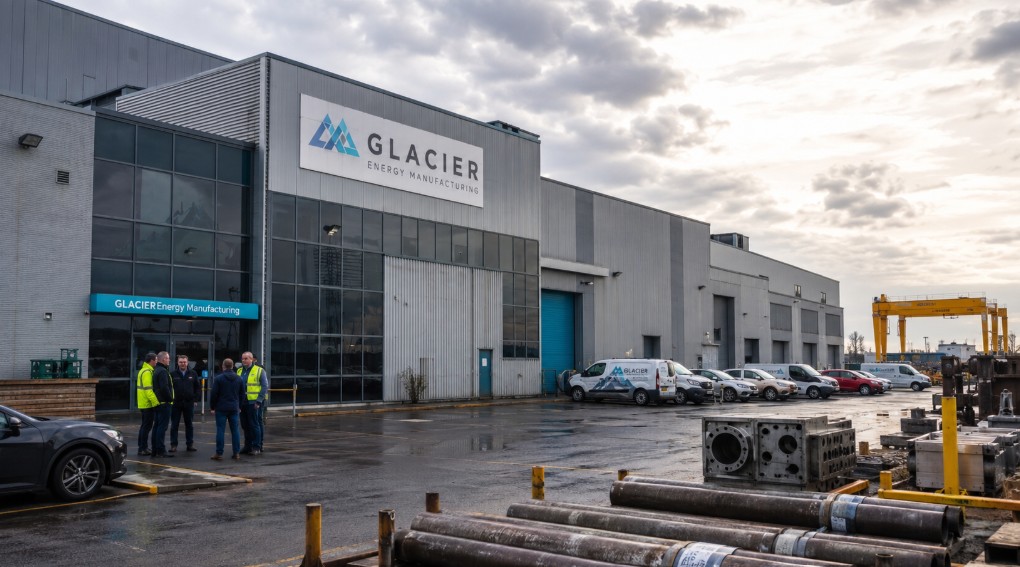
Glacier Energy Manufacturing Limited entered administration after pressure from weaker North Sea oil and gas demand, reduced capital project activity and slow growth in new energy markets.
The case matters because it led to reported staff redundancies, affected a specialist manufacturing site in Stockton-on-Tees, and raised wider questions about the resilience of UK engineering supply chains.
Key Takeaways:
| Area | Summary |
| Cause of administration | Reduced demand in oil and gas, fewer capital projects, slow new energy growth |
| Jobs impact | Reported redundancies affecting manufacturing staff |
| Location impact | Closure of Stockton-on-Tees manufacturing facility |
| Industry signal | Highlights pressure on UK engineering supply chains |
| Business lesson | Importance of diversification and cash-flow resilience |
This is informational, not financial/legal advice. Former staff, suppliers and creditors should check official insolvency documents and seek professional guidance where needed. Overall, the case underlines how quickly market shifts can affect specialist manufacturers during periods of energy transition.
What Happened in the Glacier Energy Manufacturing Administration?
Glacier Energy Manufacturing Limited is listed by Companies House as a private limited company with company number SC817573. Its status is shown as “In Administration”, and its business activity is listed as other engineering activities.
The company’s registered office is listed at C/O Teneo Financial Advisory Limited, 66 Hanover Street, Edinburgh, EH2 1EL. These details can be checked on the Companies House company record, which confirms the legal entity involved.
Important confirmed details include:
- Company name: Glacier Energy Manufacturing Limited
- Company number: SC817573
- Company status: In Administration
- Company type: Private limited company
- SIC code: 71129 — Other engineering activities
- Registered office: C/O Teneo Financial Advisory Limited, Edinburgh
The key point is entity clarity. Glacier Energy Manufacturing Limited is the company in administration. That should not automatically be read as the collapse of every Glacier Energy operation.
Why Did Glacier Energy Manufacturing Enter Administration?
The administration appears to have followed a difficult period for the manufacturing division. News reports link the collapse to lower demand in the North Sea oil and gas sector, fewer large capital expenditure projects and slower-than-expected growth in new energy markets.
The parent company’s administration statement, reported in the press, said: “We have made the difficult decision to close our manufacturing facility in Stockton on Tees.” That wording should be treated as a reported statement, not an invented quote.
The wider commercial pressure can be understood in three parts:
- Traditional oil and gas customers were reportedly spending less on large new projects.
- Customers were said to be focusing more on repair and maintenance work.
- New energy market demand did not grow quickly enough to offset the slowdown.
For a specialist engineering manufacturer, that mix can create a serious cash-flow problem. Manufacturing sites carry fixed costs, skilled labour costs and equipment costs even when project work slows.
What Was Glacier Energy Manufacturing’s Business Background?
Glacier Energy Manufacturing Limited operated as part of Aberdeen-based Glacier Group, an engineering organisation serving energy and industrial markets across the UK.
The company specialised in manufacturing and engineering services that supported customers in sectors such as oil and gas, energy infrastructure, and industrial operations. Its facilities included locations in Stockton-on-Tees and Rotherham, serving clients requiring specialist engineering expertise.
A notable development occurred in August 2024 when Glacier Group acquired Francis Brown through a pre-pack administration transaction. The acquisition aimed to strengthen manufacturing capabilities and expand market opportunities.
The business portfolio included:
- Engineering and manufacturing services.
- Heat transfer equipment solutions.
- Industrial support projects.
- Energy-sector fabrication work.
Although Glacier Energy Manufacturing formed part of a larger group, it operated as a separate legal entity. Other divisions within Glacier Group continued trading after the manufacturing business entered administration, highlighting the distinction between the affected company and the wider organisation.
Where Was Glacier Energy Manufacturing Based and Which Sites Were Affected?
Glacier Energy Manufacturing’s registered office is in Edinburgh, but the main operational story centres on manufacturing activity in England, especially Stockton-on-Tees.
The Stockton facility was previously Francis Brown, a Teesside fabrication business acquired by Glacier Energy in a pre-pack deal in August 2024. The facility was later closed as part of the manufacturing administration.
Location context:
| Location | Relevance to the administration story |
| Edinburgh | Registered office listed on Companies House |
| Stockton-on-Tees | Reported manufacturing facility closure |
| Rotherham | Earlier reported site closure and redundancies |
| Aberdeen | Wider Glacier Group headquarters context |
| Glasgow | Wider Glacier Energy location search interest |
This distinction matters because searches such as “Glacier Energy Aberdeen” and “Glacier Energy Glasgow” may refer to the wider group, not the specific company in administration.
What role did North Sea demand and the energy transition play?
The Glacier Energy Manufacturing administration shows how energy-sector change can affect specialist suppliers. A company can support future-facing markets such as renewables or hydrogen, but still face short-term pressure if traditional project demand drops faster than new work arrives.
Reduced Capital Expenditure in Oil and Gas
Administrators reportedly pointed to a softening of trading conditions and fewer large-scale capital expenditure projects in traditional oil and gas markets. The Companies House insolvency filing confirms the administration started on 24 October 2025 and lists Adele Macleod and Clare Boardman as practitioners.
For manufacturers, large project delays can be damaging. A single postponed project can affect workshop planning, staffing levels, cash flow and supplier payments.
Slow Growth in New Energy Markets
The parent company’s reported statement said new energy markets were slow to materialise. That is a key business lesson.
Energy transition can create long-term opportunity, but suppliers still need near-term contracts, predictable demand and working capital. Without that, a business may not survive long enough to benefit from future growth.
Why Customers Shifted From New Projects to Maintenance?
Customers in mature oil and gas markets may prioritise repairs, inspections and maintenance when budgets tighten. That work can be valuable, but it may not replace the revenue of large fabrication or manufacturing projects.
The result is a difficult gap: the old market slows down, while the new market is not yet strong enough to fill the order book.
How is Glacier Energy Manufacturing different from the wider Glacier Energy group?
This is one of the most important distinctions in the article. Glacier Energy Manufacturing Limited is the entity in administration. The wider Glacier Energy group should not be described as fully collapsed unless official evidence confirms that.
Glacier Energy’s website lists a broader management team and several service areas. Its Glacier Energy management page lists Scott Martin as Group CEO and shows services linked to heat transfer, pressure vessel solutions, NDT, inspection, machining, renewables, oil and gas and industrial markets.
The wider group connection matters because several searches may create confusion:
- Glacier Energy Manufacturing administration
- Glacier Energy Aberdeen
- Glacier Energy Glasgow
- Glacier Energy jobs
- Glacier Energy Stockton closed
The safest wording is: Glacier Energy Manufacturing Limited is in administration, while available reporting says the wider Glacier Group continues to trade through other divisions.
How Were Jobs and Staff Affected by the Administration?
The human impact was immediate. Media reporting said all 53 jobs at Glacier Energy Manufacturing Limited were lost after the company entered administration. The redundancies were linked to the closure of the manufacturing operation.
Staff Redundancies and Reported Job Losses
The reported job losses affected the manufacturing side of the business. This is important because Glacier Energy Manufacturing Limited should be discussed separately from the wider Glacier Energy group.
Reports also referred to earlier cost-cutting, including the closure of the Rotherham site in July 2025 and 20 redundancies. This suggests pressure had been building before the final administration process.
What Does Administration Mean for Employees?
Employees affected by an insolvent employer may need to check redundancy pay, unpaid wages, holiday pay, notice pay and pension-related information. The exact position depends on employment status, length of service and the insolvency process.
Affected employees should keep:
- Employment contracts
- Payslips and P60s
- Redundancy letters
- Holiday-pay records
- Any administrator correspondence
This section is not legal advice. Staff should use official government guidance or speak to a qualified adviser if they are unsure about a claim.
What Does the Case Reveal About Pressure on UK Engineering and Supply Chains?
The case highlights the pressure on specialist engineering firms that depend on project-led demand. Businesses serving oil and gas, offshore energy, fabrication, pressure vessels and industrial manufacturing can be exposed when customers reduce spending.
Supply-chain Exposure in Specialist Manufacturing
Specialist manufacturers often carry high fixed costs. They need skilled people, certified processes, workshop capacity, equipment, materials and quality systems.
If large projects slow down, those costs do not disappear. This can quickly weaken margins and cash flow.
What Smaller Engineering Firms Can Learn From the Collapse?
The Glacier Energy Manufacturing administration offers practical lessons for similar UK businesses:
- Avoid overreliance on one customer group or one sector.
- Monitor project pipelines early, not after cash pressure appears.
- Build realistic assumptions around energy-transition growth.
- Keep working-capital planning conservative.
- Separate repair, maintenance and new-build revenue forecasts.
The wider lesson is not that UK engineering has no future. It is that specialist manufacturing firms need strong financial resilience during market transition.
What Happens Next for Creditors, Records and Industry Watchers?

After administration begins, the appointed practitioners manage the process, report to creditors and deal with the company’s remaining assets and liabilities. Creditors should rely on formal documents rather than informal commentary.
Suppliers should check which legal entity owes them money. In group structures, the trading name, parent brand and contracting company may not be the same.
Industry watchers should monitor:
- Companies House filings
- Administrator reports
- Creditor updates
- Any sale of assets
- Wider engineering-sector insolvency trends
This is also where accurate reporting matters. A creditor, employee or supplier may make a wrong decision if they confuse Glacier Energy Manufacturing Limited with the wider Glacier Energy group.
What Should UK Engineering and Energy Businesses Take Away From This Administration?
The Glacier Energy Manufacturing administration is a warning about timing, exposure and resilience. It shows what can happen when a specialist manufacturer faces weaker traditional demand before replacement markets are mature enough to support the same cost base.
For UK engineering and energy businesses, the main takeaway is to plan for uneven transition. New energy opportunities may be real, but they do not always arrive at the same pace as lost oil and gas project work.
Key takeaways:
- Glacier Energy Manufacturing Limited is in administration.
- Reported job losses affected the manufacturing operation.
- Stockton-on-Tees was central to the closure story.
- North Sea demand and slower new energy growth were reported as major pressures.
- The wider Glacier Energy group should be treated separately.
- Specialist manufacturers need careful cash-flow and project-risk planning.
The case is therefore both a company-specific insolvency story and a wider signal about pressure in parts of the UK engineering supply chain.
Conclusion
The Glacier Energy Manufacturing administration shows how quickly specialist engineering firms can come under pressure when project demand weakens. Reported job losses, the Stockton closure and reduced North Sea activity make this a significant UK manufacturing story.
However, it is important to separate Glacier Energy Manufacturing Limited from the wider Glacier Energy group. For UK engineering businesses, the main lesson is clear: resilience, cash-flow planning and sector diversification are essential during an uneven energy transition.
Frequently Asked Questions
Who is the CEO of Glacier Energy?
Glacier Energy’s official management page lists Scott Martin as Group CEO. This refers to the wider Glacier Energy group and should not be confused with the administrators managing Glacier Energy Manufacturing Limited.
What does Glacier Energy do?
Glacier Energy provides engineering and industrial services across areas such as heat transfer, pressure vessel solutions, inspection, machining, repair, refurbishment, renewables, oil and gas and industrial markets.
How many employees does Glacier Energy have?
The available official sources do not confirm a current group-wide employee number. Reports say 53 jobs were lost at Glacier Energy Manufacturing Limited, but that is not the same as the total headcount of the wider Glacier Energy group.
Is Glacier Energy in Stockton closed?
The reported closure relates to the Stockton-on-Tees manufacturing facility connected with Glacier Energy Manufacturing Limited. It should not be interpreted as proof that every Glacier Energy site has closed.
Are Glacier Energy Aberdeen and Glacier Energy Glasgow affected?
Aberdeen and Glasgow relate to wider Glacier Energy location searches. The administration record is specifically for Glacier Energy Manufacturing Limited, so those locations should not be described as closed without separate evidence.
What is the registered address for Glacier Energy Manufacturing Limited?
Companies House lists the registered office as C/O Teneo Financial Advisory Limited, 66 Hanover Street, Edinburgh, EH2 1EL. This is a legal registered office, not necessarily the former manufacturing site.
Who owns Superior Energy Services?
Superior Energy Services is a separate energy-services business. The supplied sources do not show that Superior Energy Services owns Glacier Energy Manufacturing Limited, so the two should not be treated as the same company.
Editorial Note:
This article is written for UK business readers and aims to explain the Glacier Energy Manufacturing administration in a factual, professional and non-sensational way. It separates official company records from reported media statements and avoids presenting assumptions as confirmed facts.
No invented spokesperson quotes have been used. Quoted wording is limited to statements reported by named media sources. This is informational, not financial/legal advice.
How We Checked?
This article was checked against Companies House records, the Companies House insolvency page, Glacier Energy’s official website, and supplied media references covering the administration, redundancies, Stockton closure, Francis Brown background and wider group context.
The article also checks the main entity distinction: Glacier Energy Manufacturing Limited is the company in administration, while available reporting says the wider Glacier Energy group continues through other divisions.